Nizwa
Nizwa
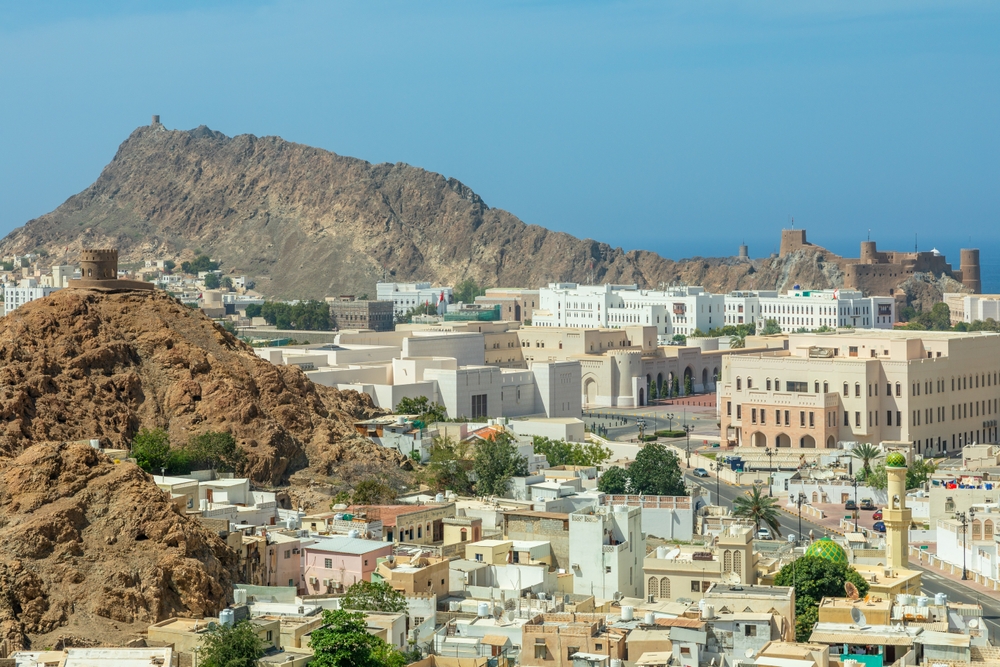
Once the capital of Oman's imamate, Nizwa brings together a 17th-century cylindrical fort, an authentic souk and palm groves irrigated by millennium-old falaj channels, two hours from Muscat.
Nizwa is the ancient capital of inner Oman, nestled at the foot of the western Hajar mountains. A historic crossroads for the trade of dates, silver and frankincense, it preserves a 17th-century fort, one of the country's most authentic souks and mud-brick architecture that has endured through time. Two hours from Muscat, it serves as the natural gateway to the mountain villages of Djebel Akhdar.
Practical information at a glance
- Access from Muscat: approximately 165 km via Highway 15 (Nizwa Road), journey by car approximately 1 hour 45 minutes.
- Transport: ONTC buses from the bus station in Ruwi (Muscat); car rental recommended for exploring the surrounding area.
- Nizwa Fort: paid entry (reduced rate for Omani nationals); closed Mondays.
- Friday souk: livestock market Friday morning, not to be missed early.
- Dress code: shoulders and knees covered recommended in the souk and mosques.
- Recommended duration: one full day for the fort, souk and alleyways; two days to combine with Djebel Akhdar.
- Best time to visit: October to March (manageable heat).
What to see
The Nizwa Fort dominates the city with its massive cylindrical tower, one of the largest in Arabia. At its feet, the covered souk blends stalls of dates, pottery, khanjars (traditional daggers) and silver jewellery. The alleyways of the old quarter reveal mud-brick houses, still-active falaj irrigation channels and the Sultan Qaboos Grand Mosque.
History and context
Nizwa served as capital of the Omani imamate several times between the 7th and 20th centuries. Its fort was built under Imam Sultan ibn Saif Al Ya'arubi around 1650, following the expulsion of the Portuguese. The city remained a centre of political and religious resistance until the imamate revolt in the 1950s–1960s, suppressed with British assistance. Today classified as national heritage, it embodies the Ibadi memory of inner Oman.
Highlights of your visit
Nizwa Fort
The round tower of the fort measures approximately 40 metres in diameter at its base. Inside are exhibition halls on Omani history, defensive traps for invaders (trapdoors, narrow corridors) and a panoramic terrace overlooking the palm groves and mountains. The visit takes between one and two hours.
The covered souk
Adjacent to the fort, the souk is organised by speciality: dates (dozens of local varieties), antique silver, Bahla pottery, frankincense and spices. Artisans often work on site. On Friday mornings, the livestock market (goats, sheep, cattle) attracts herders from across the region — a unique atmosphere, best seen before 9 am.
The falaj irrigation and palm groves
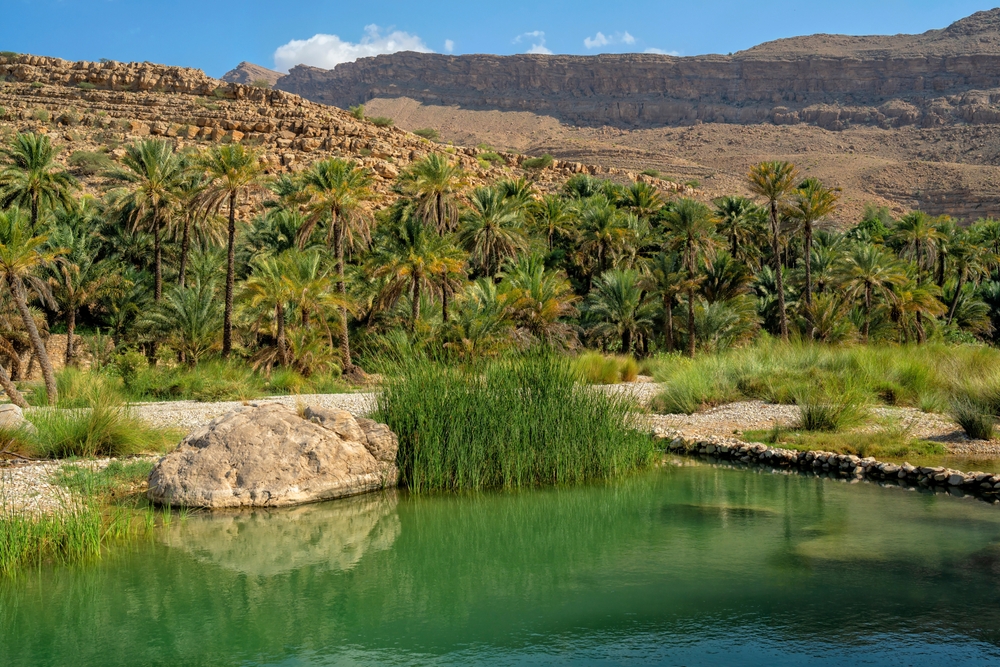
The falaj irrigation system (UNESCO-listed) still waters the palm groves surrounding the city. A morning walk along the channels reveals an agricultural landscape that has endured for millennia and remains vibrant today.
The Nizwa Al Aqr quarter
This preserved sector concentrates mud-brick houses with corner towers, carved wooden doors and small neighbourhood mosques. Little frequented by tourists, it can be explored on foot in less than an hour.
Etiquette and visiting rules
- Cover shoulders and knees in the souk, mosques and fort.
- Mosques are generally not accessible to non-Muslims, except the Sultan Qaboos Grand Mosque which can be visited outside prayer times.
- Always ask permission before photographing people, especially women.
- The livestock market is a working space: remain discreet and do not interfere with transactions.
Photography tips
Golden morning light (7 am–9 am) is ideal on the fort tower and palm groves. From the fort terrace, the panorama over the Hajar mountains is clear before heat haze sets in. In the souk, light filtered through the roofs creates contrasting atmospheres — favour a wide-angle lens. Avoid photographing vendors without prior agreement.
Location and access
Nizwa is located in the Ad Dakhiliyah governorate, approximately 165 km south-west of Muscat. Highway 15 (Nizwa Road) connects the two cities directly. The city is the logical starting point towards Djebel Akhdar (approximately 45 km north) and Bahla (30 km west). A 4×4 is required to reach Djebel Akhdar. Accessibility for people with reduced mobility is limited in the fort (steep stairs) and in the old quarter alleyways.
Nearby
- Djebel Akhdar — mountain plateau at 2,000 m altitude, known for its roses, pomegranate terraces and perched villages.
- Bahla Fort — UNESCO-listed fortress, one of Oman's largest, approximately thirty kilometres to the west.
- Jabrin Castle — 17th-century palace-fortress with remarkable painted ceilings, approximately 45 km away.
- Tanuf Ruins — abandoned village bombed in the 1950s, approximately twenty kilometres away, with a freshwater spring.
Attractions in Nizwa
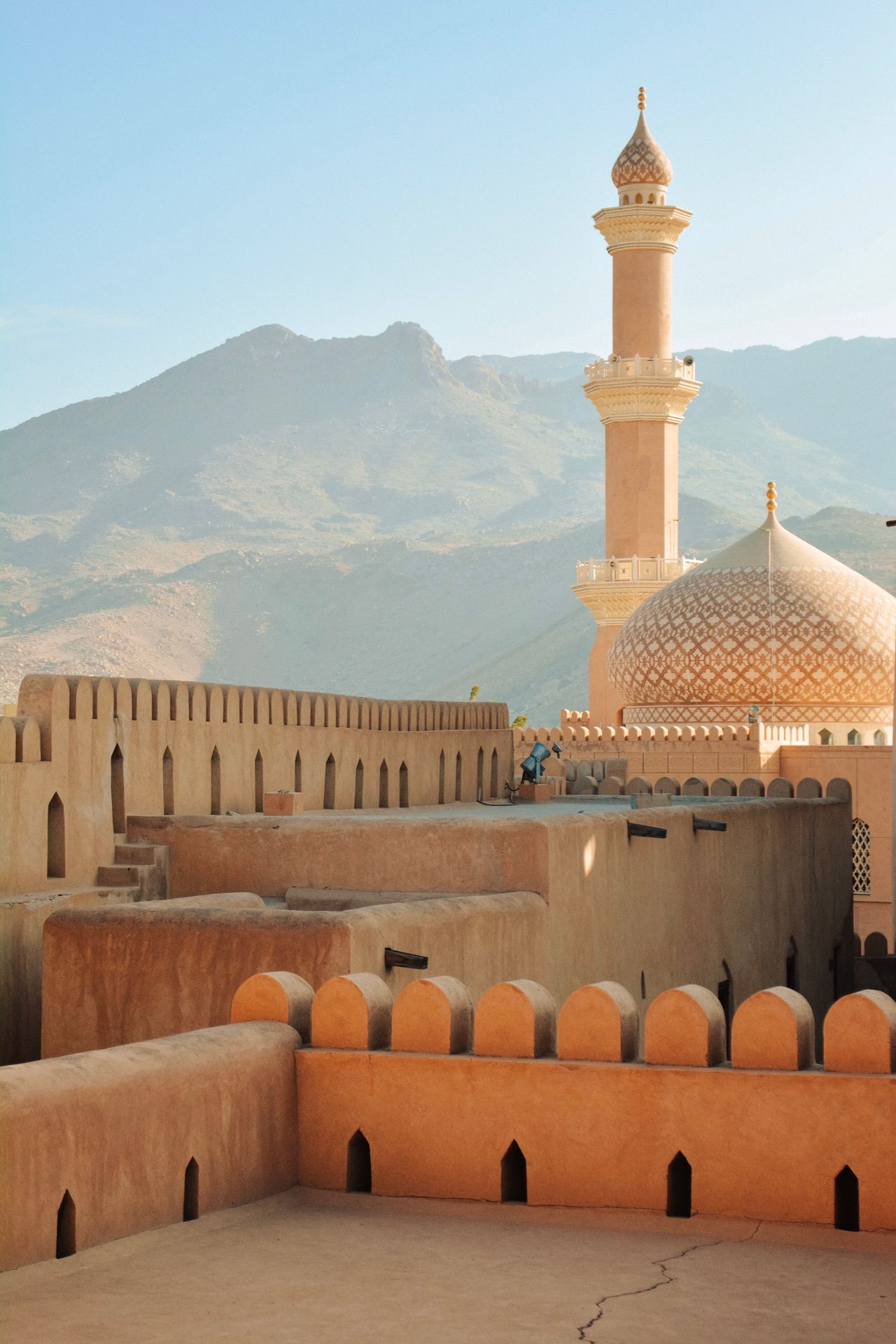
Fort de Nizwa
Dominant la palmeraie de Nizwa depuis le XVIIe siècle, ce fort à la tour ronde massive est l'un des mieux conservés d'Oman.
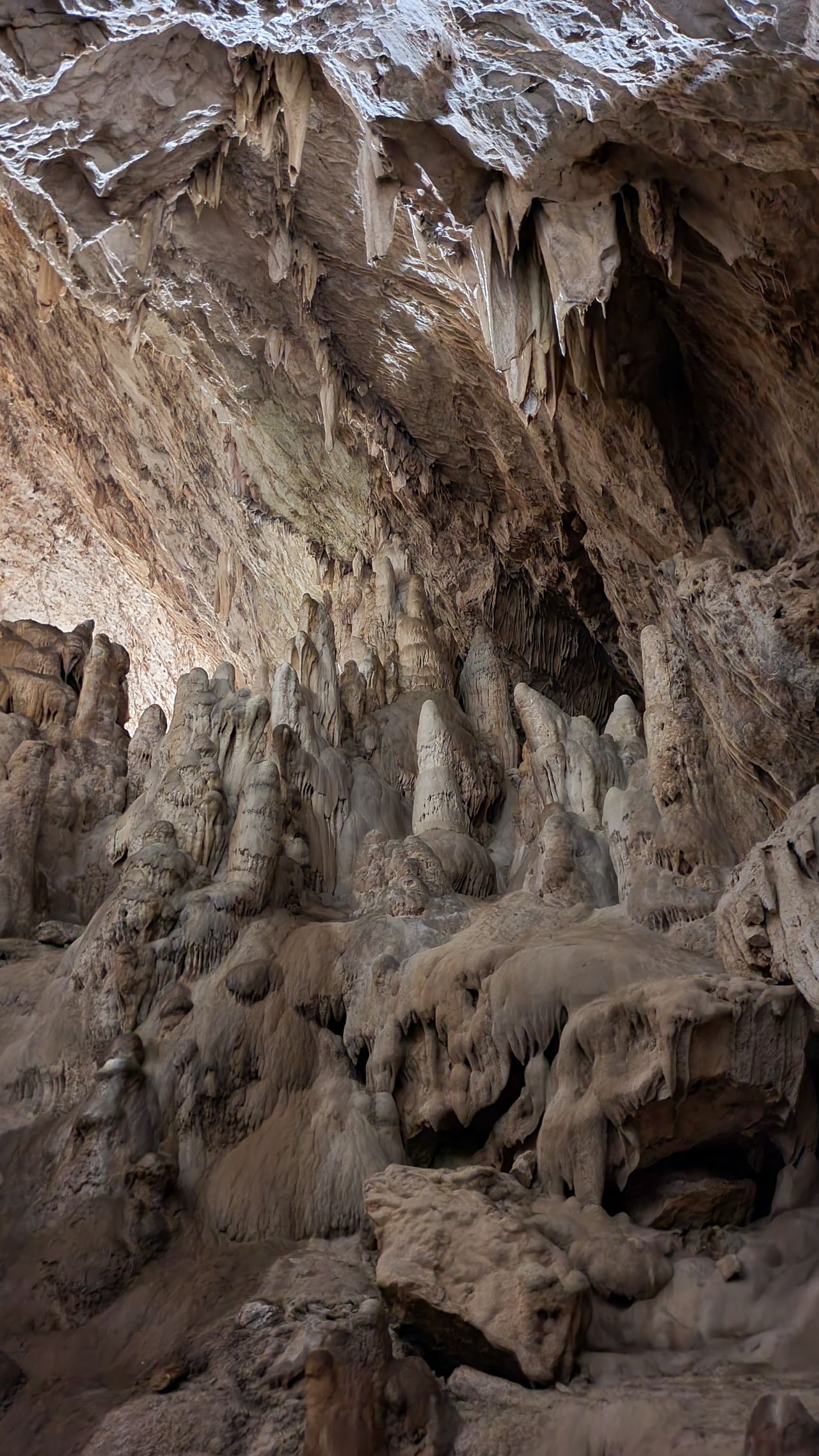
Al Hoota Cave
Al Hoota est une grotte calcaire ouverte au public près d'Al Hamra, en Oman. Elle abrite un lac souterrain peuplé de poissons aveugles et des formations de stalactites remarquables.
Want to discover this destination?
Our local advisors design your tailor-made trip.