Wadi Bani Khalid
Wadi Bani Khalid
Wadi Bani Khalid offers turquoise natural freshwater pools fed year-round by underground springs, limestone caves and a UNESCO-listed falaj, in the heart of the eastern Hajar mountains of Oman.
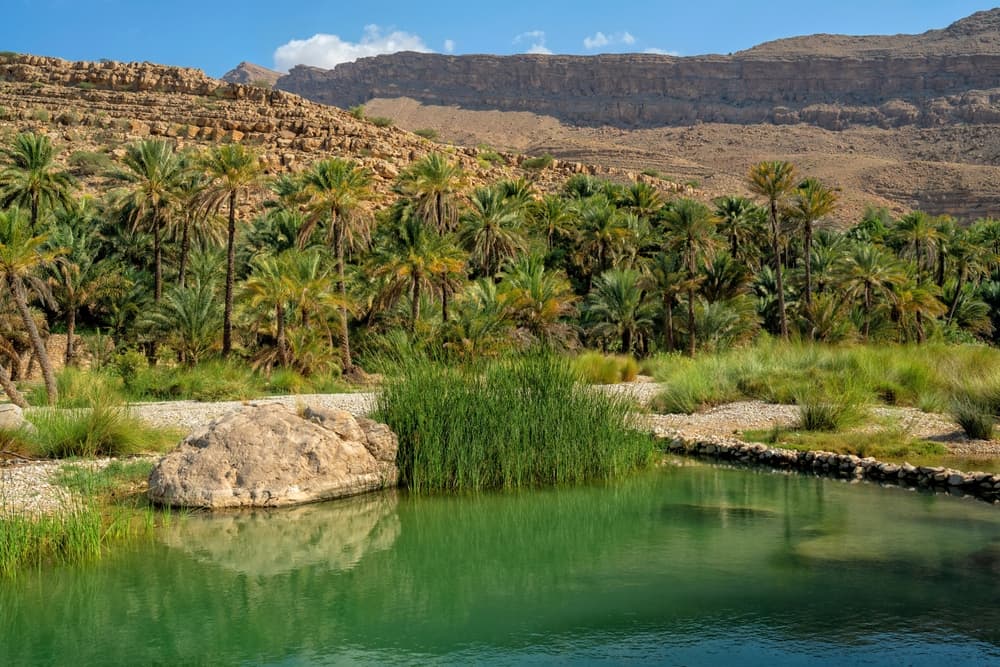
Wadi Bani Khalid is one of the most accessible and frequented oases in Oman, nestled in the eastern Hajar mountains within the Ash Sharqiyah Governorate. Turquoise freshwater natural pools, fed year-round by underground springs, stretch between limestone cliffs and date palms. The site attracts both Omani families and foreign travelers alike, and remains one of the few wadis where swimming is possible in all seasons.
Practical Information at a Glance
- Access: asphalt road from the town of Bidiyah (Al Mudaybi); accessible by regular car to the main pools
- Dress code: swimwear covering shoulders and knees recommended out of respect for local customs; women should avoid wearing a standard Western bikini alone
- Recommended duration: 2 to 4 hours for the main pools; half a day if you explore the caves upstream
- Best time to visit: October to April (bearable heat); avoid July-August (extreme temperatures)
- Accessibility for people with reduced mobility: limited — the path to the upper pools is rocky and unarranged
What You'll See
The natural pools form a succession of basins linked by small waterfalls. The water, of remarkable clarity, takes on shades ranging from emerald green to pale blue depending on the light. Freshwater fish swim freely in the basins. Walking upstream along the wadi, you can reach partially accessible limestone caves, the most famous of which houses stalactites and an interior spring.
The village of Bani Khalid, visible from the site, illustrates traditional Omani architecture: mud-brick houses, watchtowers and falaj (ancestral irrigation system) still in operation.
History and Context
The wadi takes its name from the Bani Khalid tribe, which historically controlled a large part of eastern Oman. The falaj that irrigates the surrounding palm groves is listed as World Heritage by UNESCO as part of the Aflaj of Oman (collective inscription in 2006). This underground hydraulic system, centuries old, explains the permanence of water in a desert environment.
Highlights of Your Visit
The Natural Pools
The main basins, accessible within minutes from the parking area, are the deepest and most suitable for swimming. The water remains cool even in summer. Flat rocks allow you to lie in the sun between swims.
The Hike to the Caves
An unmarked trail follows the wadi bed for about 1.5 km beyond the main pools. The terrain is rocky and requires closed-toe shoes. The caves offer a noticeably cooler temperature and a striking mineral atmosphere.
The Falaj and Palm Grove
On the edge of the site, the falaj canal network feeds gardens of date palms and banana trees. Observing this system in operation gives a concrete understanding of traditional Omani hydraulic engineering.
Etiquette and Visiting Rules
- Wear clothing that covers shoulders and knees for women; avoid overly revealing swimwear
- No loud music; the site is frequented by Omani families
- Do not litter in the pools or on the banks
- Avoid entering private agricultural areas around the falaj
- Alcohol consumption is prohibited at the site
Photography Tips
Morning light (before 10 a.m.) is ideal: it strikes the cliffs at an angle and brings out the turquoise color of the pools. At midday, the sun overhead flattens contrasts. For the caves, a tripod or headlamp is essential. Avoid photographing Omani families without their explicit consent.
Location and Access
Wadi Bani Khalid is located in the Ash Sharqiyah Governorate, approximately 200 km southeast of Muscat via the main road toward Sur. The usual starting point is the town of Bidiyah (Al Mudaybi), from which an asphalt road leads directly to the site. No regular public transport serves the wadi; a rental car is necessary. The access road does not require a 4x4 to reach the main pools.
Travelers combining Wadi Bani Khalid with the Sur coast or Wahiba Sands can organize a two-day circuit from Muscat.
Nearby Attractions
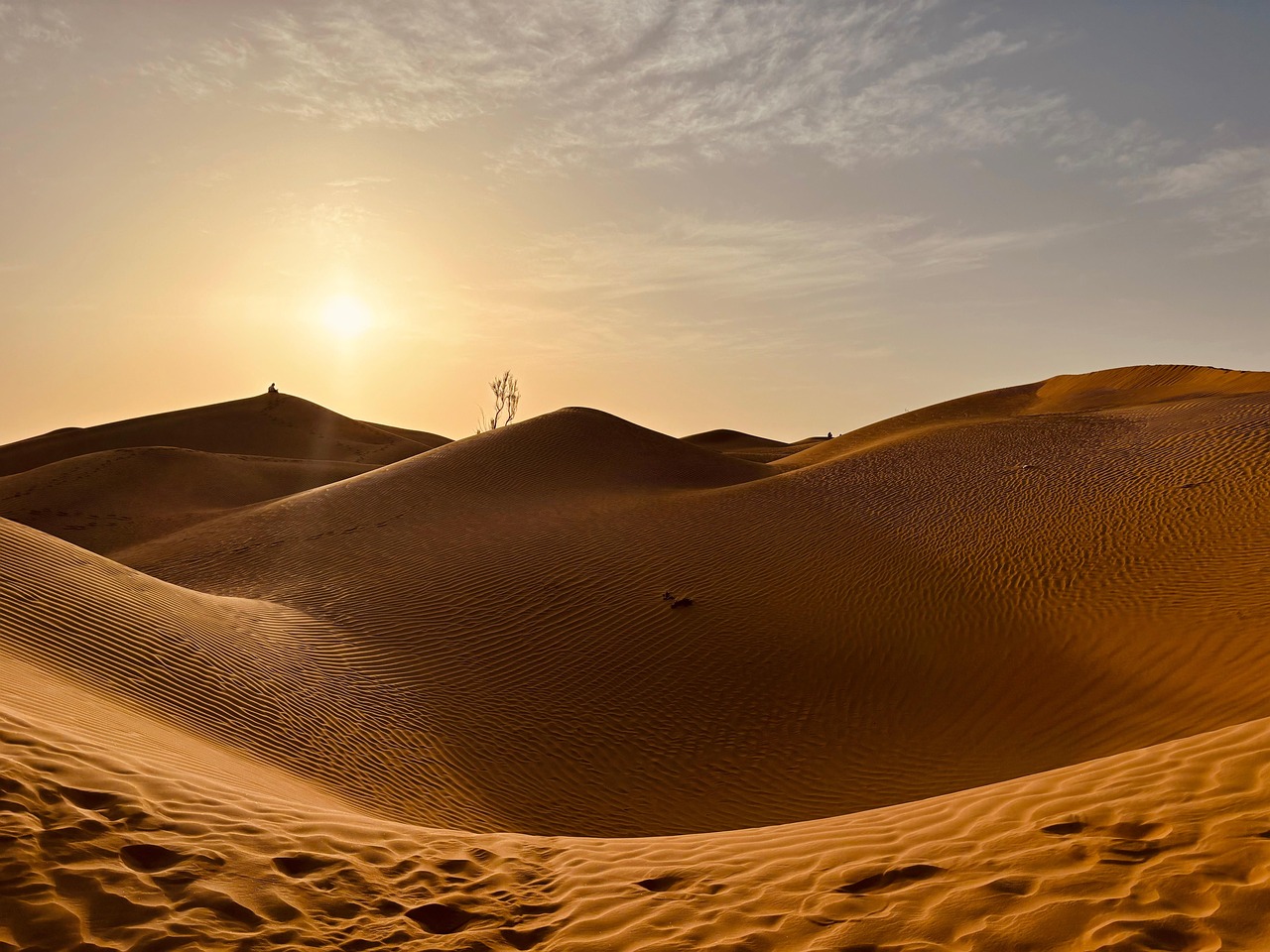
- Wahiba Sands (Sharqiyah Sands) — expanse of rust-colored dunes accessible by 4x4, less than an hour to the southwest.
- Sur — coastal town renowned for its traditional dhow shipyards, approximately 1.5 hours to the southeast.
- Ras al-Jinz — natural reserve where green sea turtles come to lay eggs at night, at the eastern tip of Oman.
- Wadi Shab — another spectacular wadi with pools and hidden cave, on the coastal road toward Sur.
Frequently asked questions
Yes. Underground springs feed the pools continuously, making swimming possible even in summer. In July-August, however, the external heat is extreme; prefer an early morning visit.
No, not for the main pools. The asphalt road is passable in a regular car. A 4x4 becomes useful only if you wish to explore secondary tracks in the surrounding areas.
Women are encouraged to wear a one-piece swimsuit or shorts and a t-shirt over top. Men can swim in standard swim shorts. The site is frequented by Omani families; respectful attire is expected.
It's possible but tight. The two sites are less than an hour apart. Start early from Muscat, visit the wadi in the morning, then head to the dunes early afternoon for the sunset.
Yes, but a headlamp is essential. The trail is unmarked and the ground is slippery in places. Local guides offer their services on site to accompany visitors to the caves.
A few small stands offer drinks and snacks at the entrance. For a full meal, it's best to stock up in Bidiyah before heading to the wadi.
Want to discover this destination?
Our local advisors design your tailor-made trip.