Jebel Samhan
A limestone massif in Dhofar overlooking the Arabian Sea, Jebel Samhan is home to the Arabian leopard and celebrated frankincense trees. Raw, untamed wilderness to explore by 4×4 from Salalah.
Jebel Samhan is a mountain massif in Dhofar, southern Oman, reaching approximately 2,100 metres in elevation. It forms the eastern boundary of the mountains overlooking Salalah. This limestone plateau shelters one of the last wild populations of the Arabian leopard, rare wildlife, and lush vegetation during the khareef monsoon season. It is a territory of raw, largely undeveloped nature that attracts hikers and wildlife enthusiasts.
Practical Information at a Glance
- Access: rough track from the coastal road (Mirbat or Sadah); 4×4 vehicle recommended, some sections require 4×4 mandatory.
- Best time: October to March for clear skies and pleasant temperatures; July–August for the green khareef season, though dense fog is common.
- Recommended duration: half-day to full day depending on your chosen route.
- What to wear: hiking boots, warm clothing at altitude (cool nights even in summer).
- Rules: designated nature reserve—do not disturb wildlife, stay on marked trails.
What You'll See
The plateau offers dramatic cliffs plunging toward the Arabian Sea. Vegetation shifts markedly with altitude: frankincense trees (Boswellia sacra), acacias, and euphorbias. Vultures soar above the escarpments. The Arabian leopard (Panthera pardus nimr) inhabits the reserve but is extremely elusive; camera traps have confirmed its presence in this sanctuary.
History and Context
Dhofar was long isolated from the rest of Oman by these mountains. Jebel Samhan formed a natural boundary between coastal tribes and interior populations. The region witnessed the Dhofar Rebellion (1963–1976), and military tracks from that era still cross the massif. Frankincense harvested from these slopes fuels a millennium-old trade that enriched Salalah.
Highlights of Your Visit
The Cliffs Above the Arabian Sea
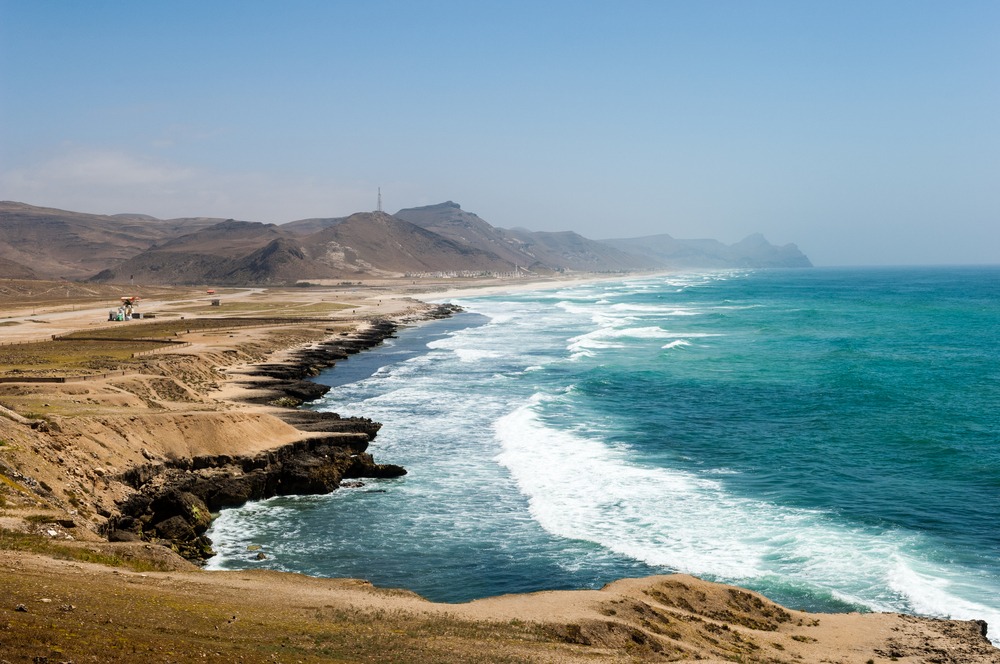
From the plateau's edge, cliffs drop straight into the ocean. On clear days, views extend to the Kuria Muria Islands. It is among the most breathtaking coastal panoramas in the country.
The Arabian Leopard Reserve
Jebel Samhan is an officially designated nature reserve dedicated to Arabian leopard protection. Even without spotting the big cat, tracks, pug marks, and ranger accounts become part of the experience.
Frankincense Trees at Altitude
The Boswellia sacra grow on rocky slopes. Recognizable by their peeling bark and whitish resin, they have been central to Dhofar's cultural identity since antiquity.
Photography Tips
Early morning light favours east-facing cliffs. During khareef (July–August), fog creates dramatic moods but limits distant views. Avoid flash or loud behaviour in the reserve: wildlife takes priority.
Location and Access
Jebel Samhan lies east of Salalah in Dhofar Governorate. It is reached from the coastal road connecting Salalah to Mirbat and then Sadah. A 4×4 is essential for the plateau tracks. No public transport serves the massif; vehicle rental or an organised circuit from Salalah are your usual options.
Nearby places accessible by car from the base of the massif:
- Mirbat — historic coastal town at the foot of Jebel Samhan.
- Kuria Muria Islands — archipelago visible from the cliffs, accessible by boat from Salalah.
- Wadi Darbat — lush valley to the west, with a waterfall during khareef.
- Salalah — capital of Dhofar, main logistics hub.
In the Vicinity
- Mirbat — fishing port with an old Ottoman fort and an authentic atmosphere far from mass tourism.
- Wadi Darbat — one of Oman's rare perennial wadis, surrounded by cliffs and frequented by camel herds.
- Ayn Razat — natural spring in verdant surroundings, popular with Salalah families.
- Sumhuram (Khor Rori) — UNESCO-listed archaeological site, ancient frankincense city at a khor mouth.
Frequently asked questions
Yes. The plateau tracks are rocky and unpaved. A four-wheel-drive vehicle is essential, especially after khareef rains.
Chances are very slim: the animal is nocturnal and extremely wary. The reserve confirms its presence via camera traps, but direct sightings remain exceptionally rare.
October to March for clear views and pleasant temperatures. In July–August (khareef), vegetation is green but fog may obscure sea vistas.
Yes, and it's even recommended. Mirbat sits at the foot of the massif on the east side. One day allows time to explore the plateau in the morning and descend to Mirbat in the afternoon.
Agencies based in Salalah offer guided excursions to Jebel Samhan. A local guide is helpful for navigating the tracks and knowing wildlife observation points.
Interested in this visit?
We can include it in your personalised itinerary.