14 articles to prepare your trip
Khor Rori (Sumhuram) is an ancient port city listed as a UNESCO World Heritage site, founded in the 1st century BC for the incense trade. Its limestone ramparts overlook a natural lagoon populated by flamingos, east of Salalah.
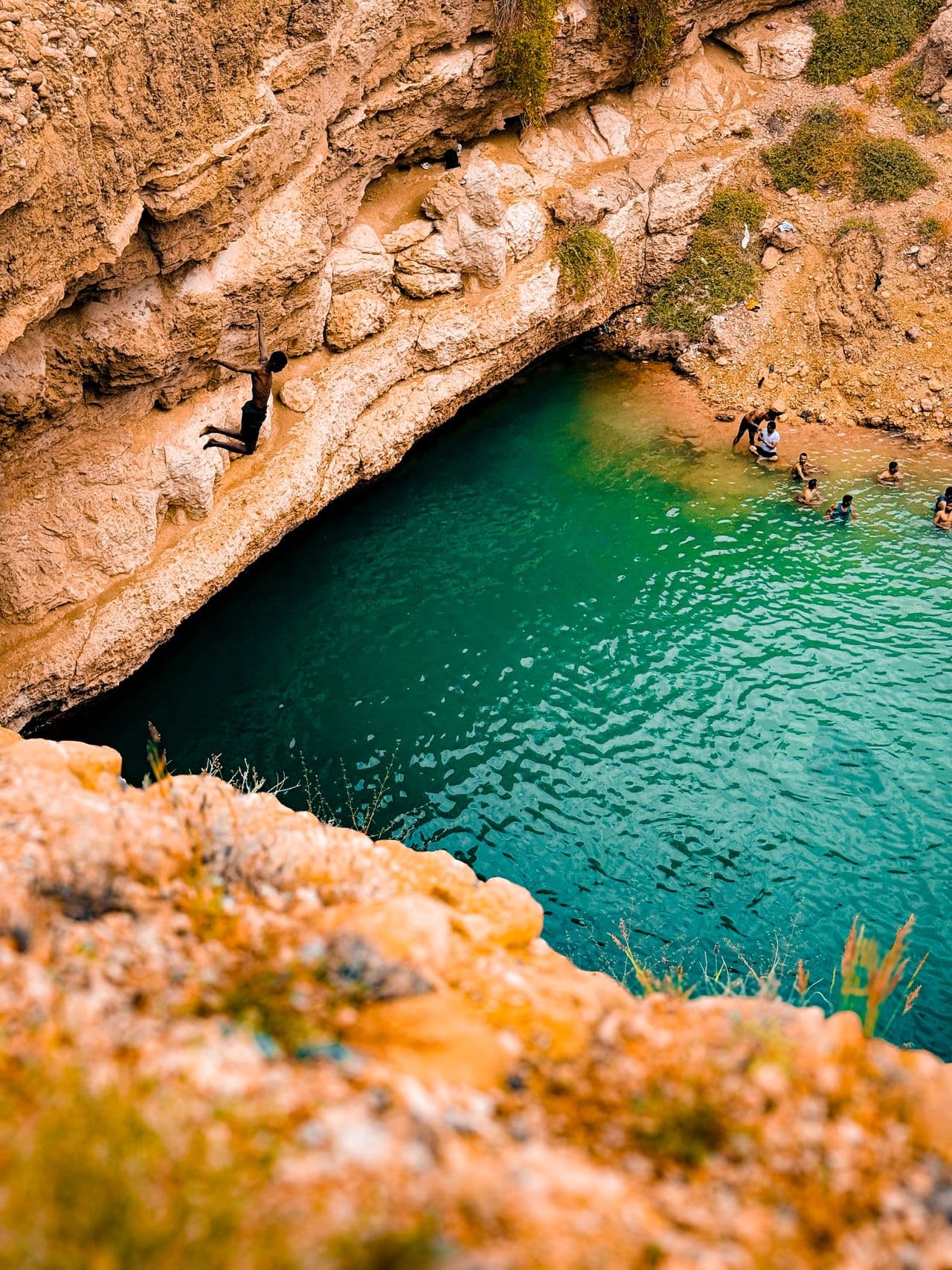
A water-filled karstic collapse featuring striking turquoise waters between Muscat and Sur, Bimmah Sinkhole (Hawiyat Najm Park) offers unique natural swimming with wild fish, easily accessible by car along Oman's east coast.
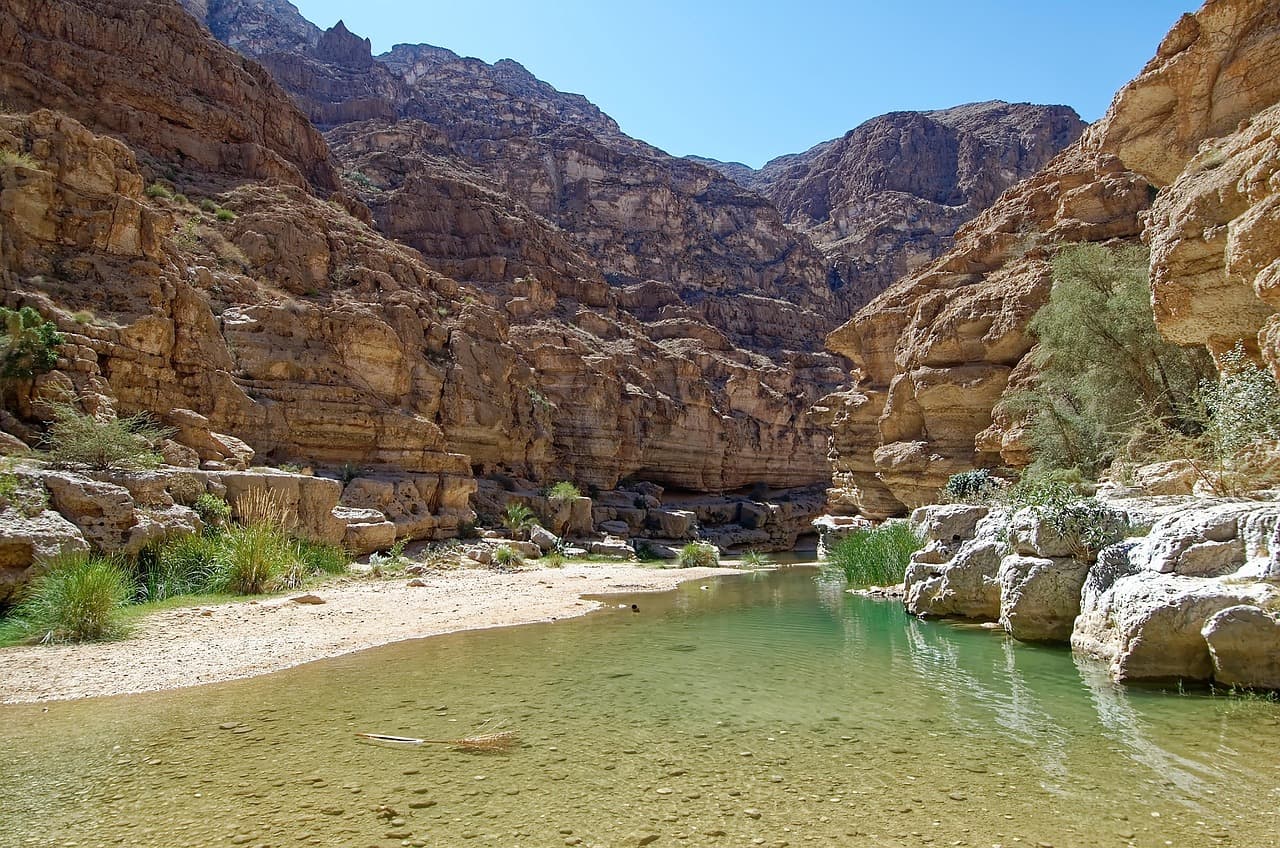
Wadi Tiwi is a limestone gorge in the eastern Hajar mountains, punctuated by turquoise pools and terraced palm groves. Less crowded than the nearby Wadi Shab, it offers an immersion in a preserved landscape and villages inhabited for centuries.
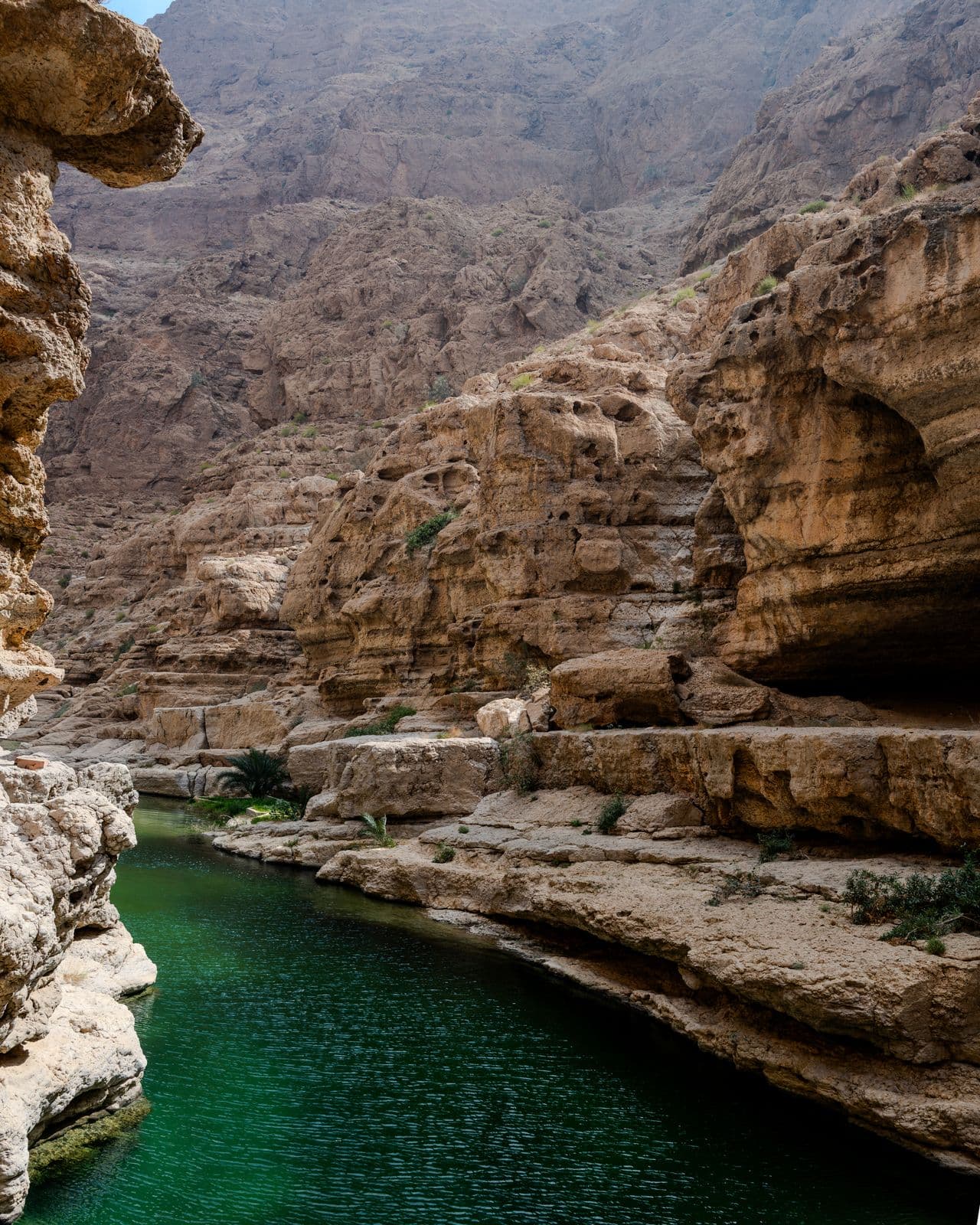
Wadi Shab is a deep gorge in the Ash Sharqiyah South Governorate, famous for its turquoise pools and cave accessible by swimming. A 3 to 5-hour trek between cliffs and palm groves, 130 km from Muscat.
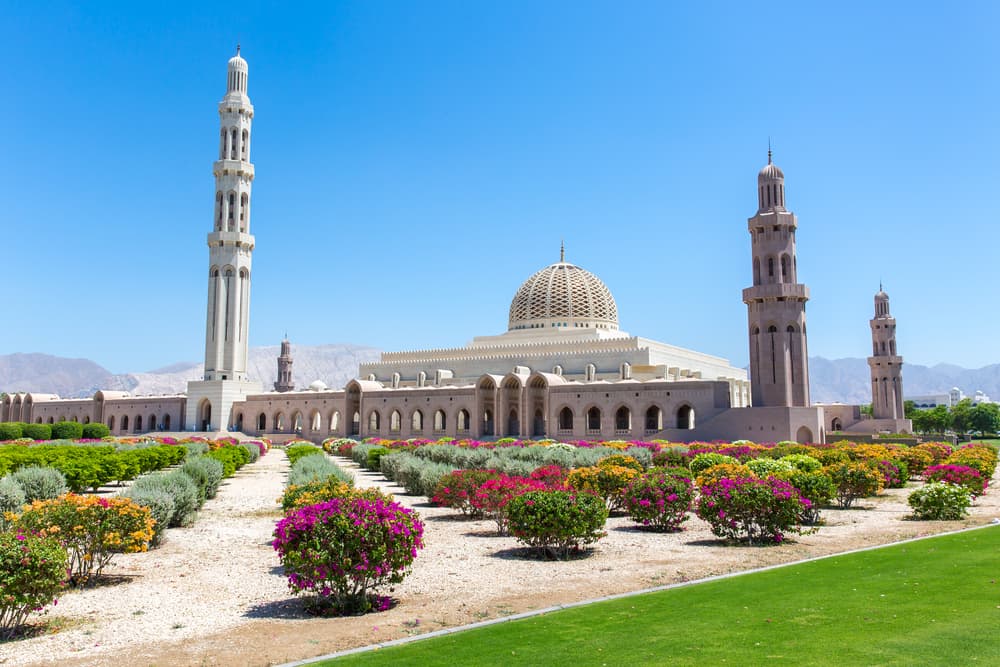
A major religious edifice in Muscat, the Sultan Qaboos Grand Mosque impresses with its Swarovski crystal chandelier, monumental Persian carpet and immaculate gardens. Open to non-Muslims in the morning, free entry.
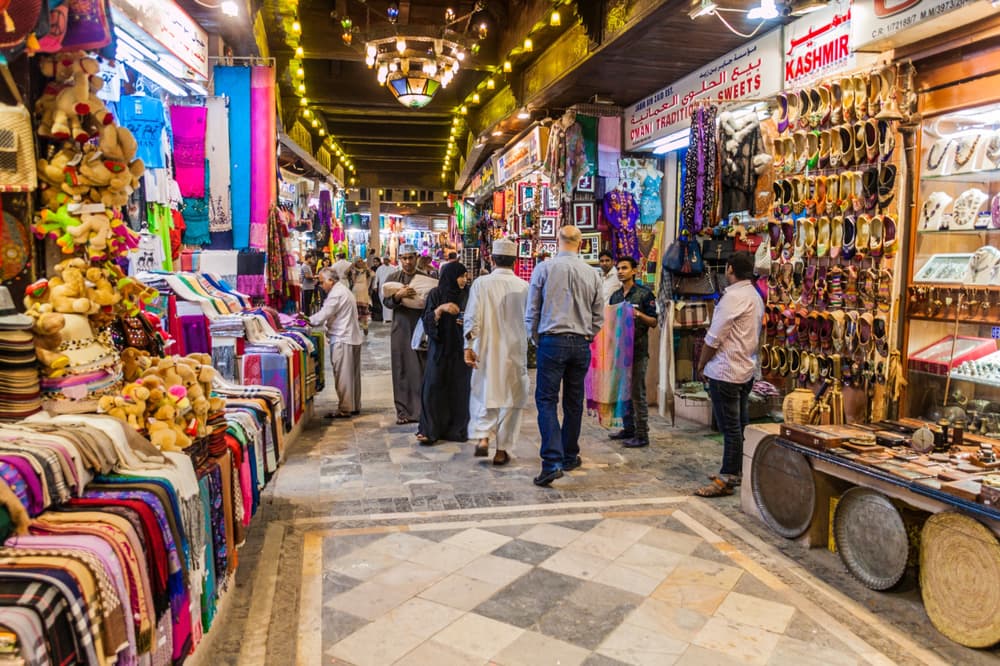
Mutrah Souq is the historic covered market of Muscat, on the corniche of the port district. Frankincense, silver jewellery and traditional khanjar daggers sit side by side in an atmosphere of authentic commerce.
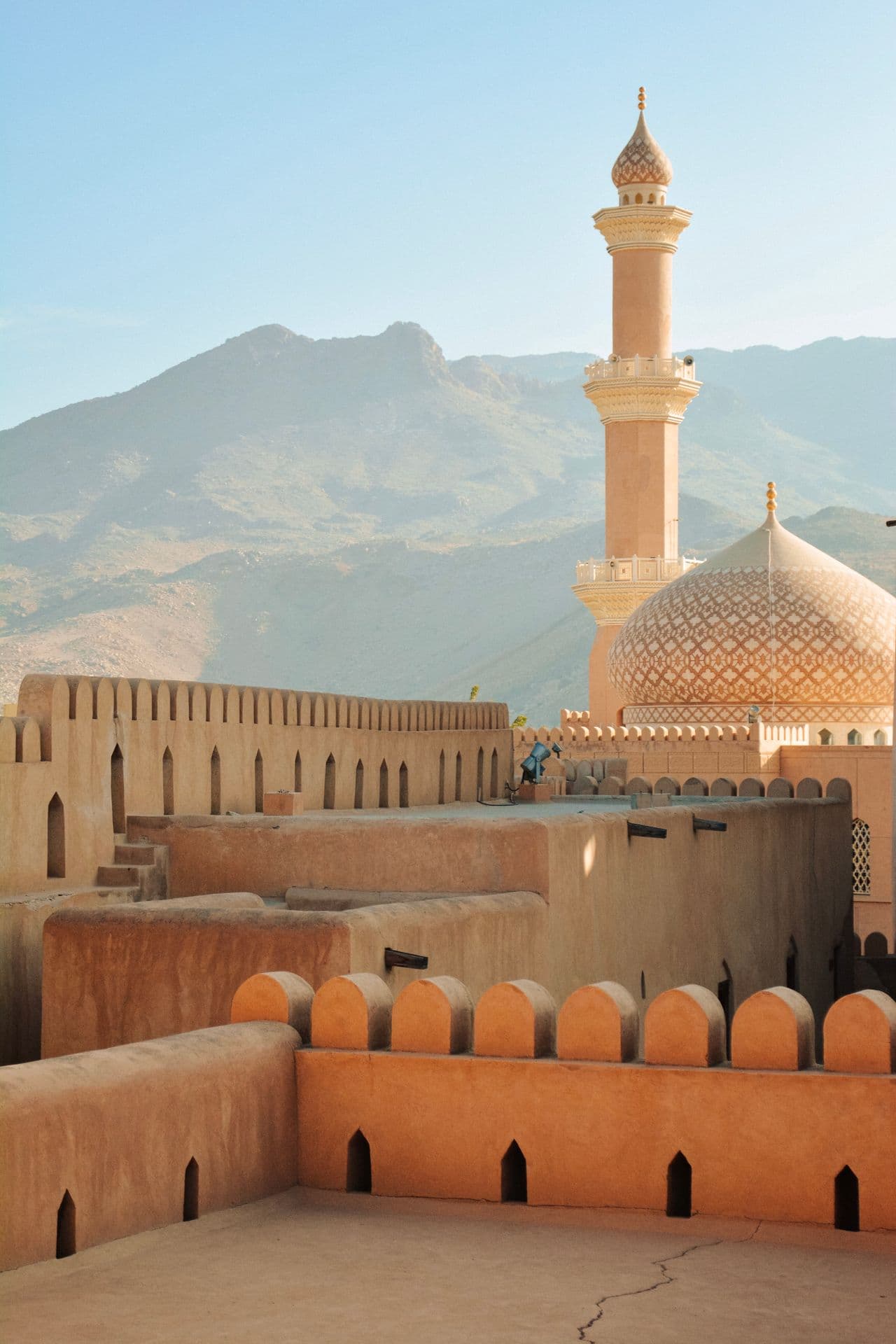
Dominating the Nizwa palm groves since the 17th century, this fort with its massive round tower is among the best-preserved in Oman. Steps away, the souq offers khanjars and silver jewellery in an authentic atmosphere.
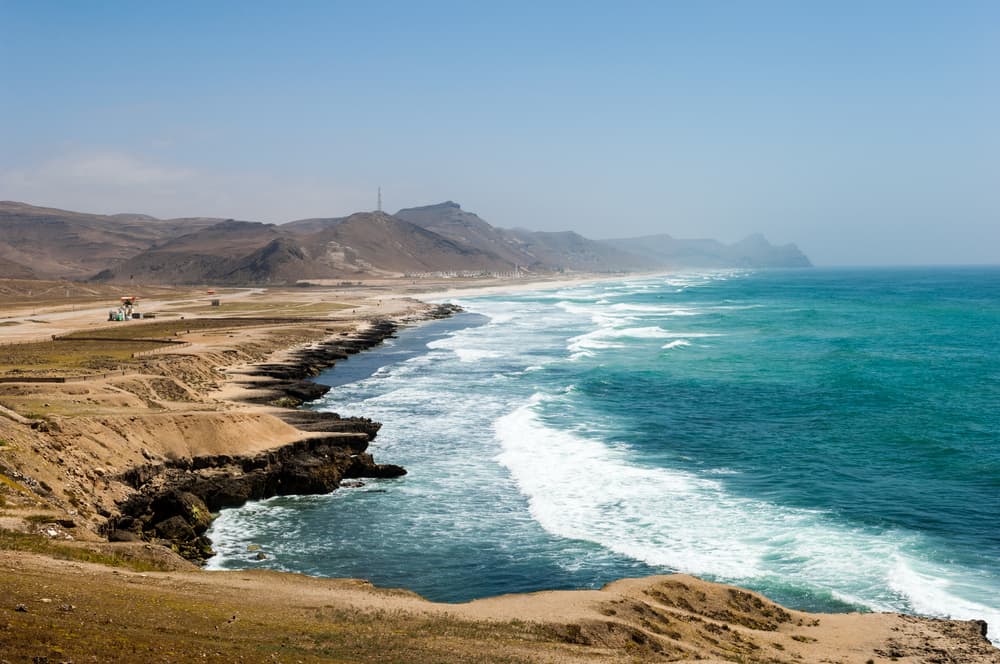
West of Salalah, Mughsail Beach is renowned for its natural blowholes that project seawater in geysers through rocky fissures, particularly active during the khareef monsoon season.
Khor Rori (Sumhuram) is an ancient port city and UNESCO World Heritage site east of Salalah. Millennia-old ruins, a flamingo-filled lagoon, and an archaeological museum make for a unique visit in Dhofar.
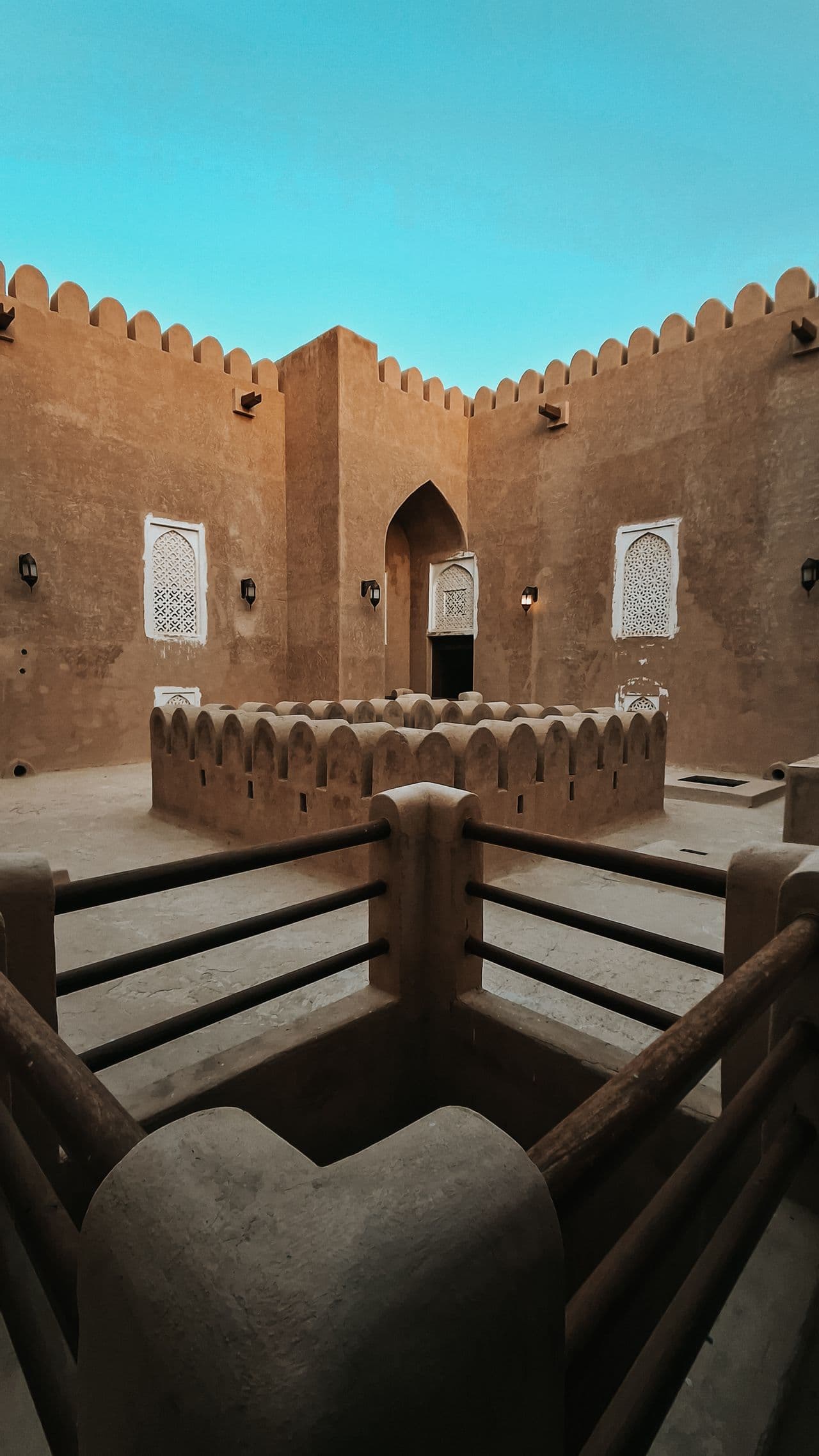
Built in the 17th century by Imam Bil'arab, Jabreen Castle is one of Oman's best-preserved fortified palaces, celebrated for its painted ceilings and impressive reception halls.
Set in a traditional house in old Muscat, Bait Al Zubair Museum showcases costumes, weapons, jewels, and everyday Omani objects from a private family collection.
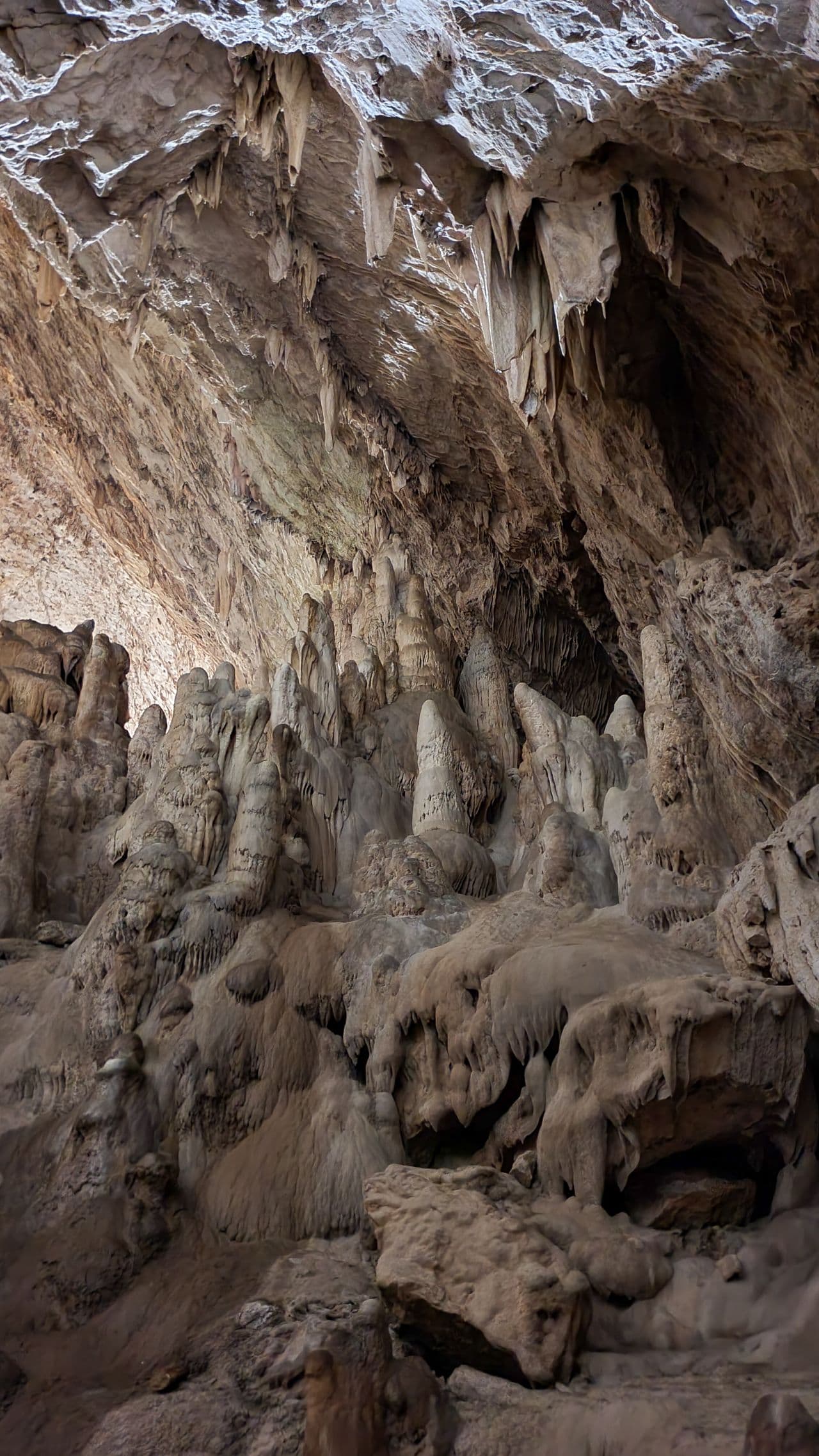
Al Hoota is a limestone cave open to the public near Al Hamra, Oman. It is home to an underground lake populated by blind fish and remarkable stalactite formations, to be explored on a guided tour.
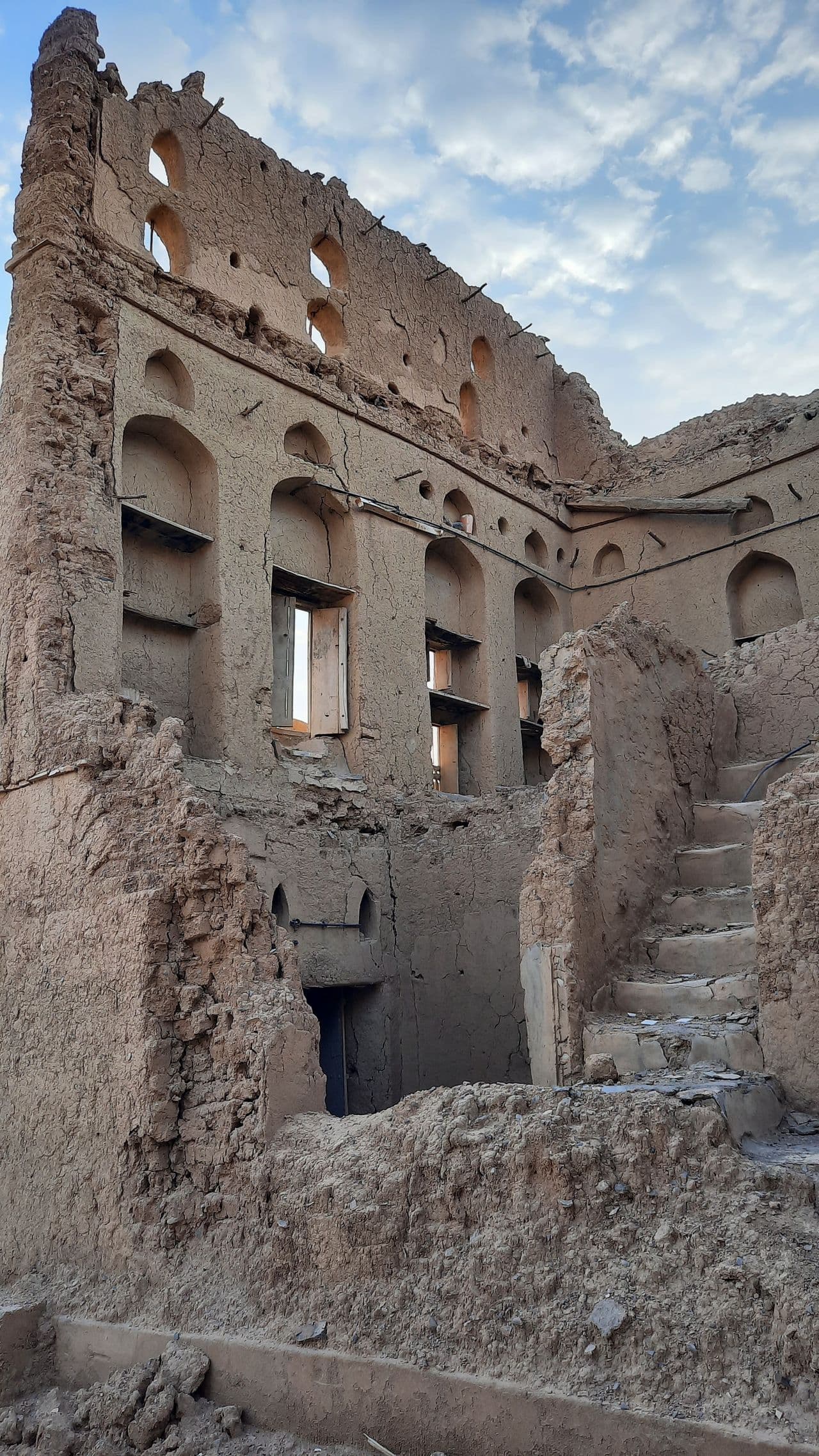
Al Hamra is a remarkably well-preserved adobe village nestled at the foot of Jebel Shams in the interior of Oman. Its multi-storey houses and abandoned alleyways offer a rare glimpse into traditional Omani architecture and life.
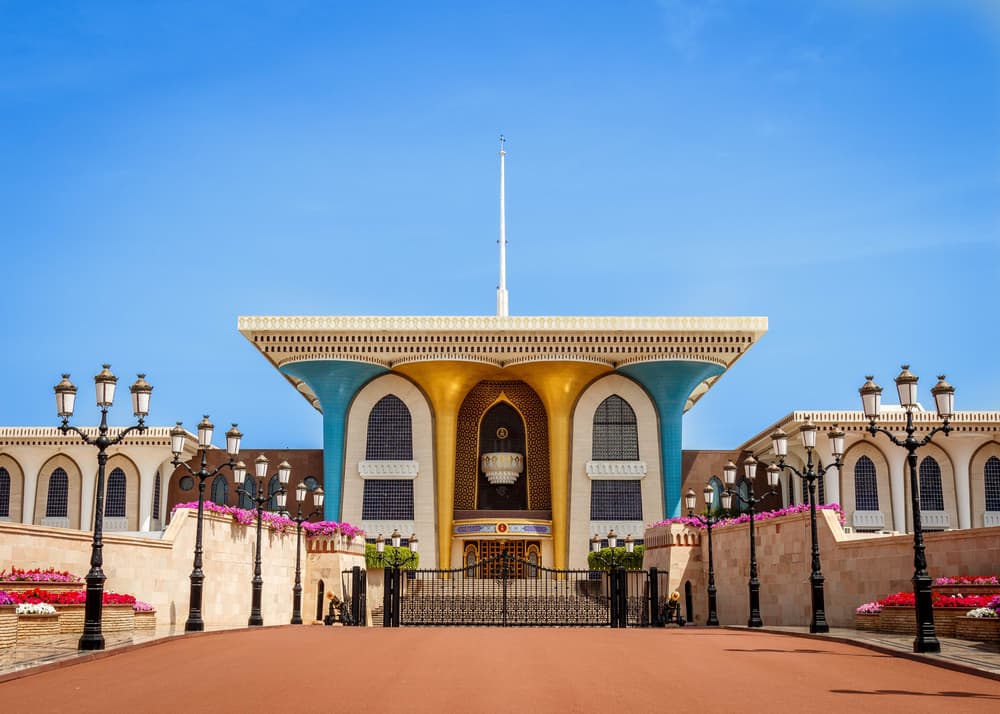
The ceremonial residence of the Sultan, Al Alam Palace overlooks Muscat's historic bay. Its striking blue and gold façade, framed by the 17th-century Mirani and Jalali forts, offers one of Oman's most iconic vistas.
14 of 14 results
We use cookies to improve your experience and measure our site's audience. You can choose what you accept. Learn more.