Al Hamra
Al Hamra
Al Hamra is a remarkably well-preserved adobe village nestled at the foot of Jebel Shams in the interior of Oman. Its multi-storey houses and abandoned alleyways offer a rare glimpse into traditional Omani architecture and life.
Al Hamra is one of Oman's best-preserved adobe villages, tucked at the foot of Jebel Shams in Al Dakhiliyah Governorate. Its multi-storey houses, built from rammed earth and palm wood, stand as testament to vernacular architecture that has endured across centuries. The village is largely abandoned today, yet its silent alleyways and sculptured façades make it a striking stop for anyone interested in Omani heritage and traditional building.
Key Information at a Glance
- Access: Al Hamra lies on the road connecting Nizwa to Jebel Shams; a personal vehicle or rental car is required.
- Suggested duration: 1 to 2 hours to explore the old village and its surroundings.
- Dress code: Covered clothing is recommended out of respect for residents still living in inhabited quarters.
- Accessibility: Earthen alleyways and interior staircases make access challenging for people with reduced mobility.
What to See
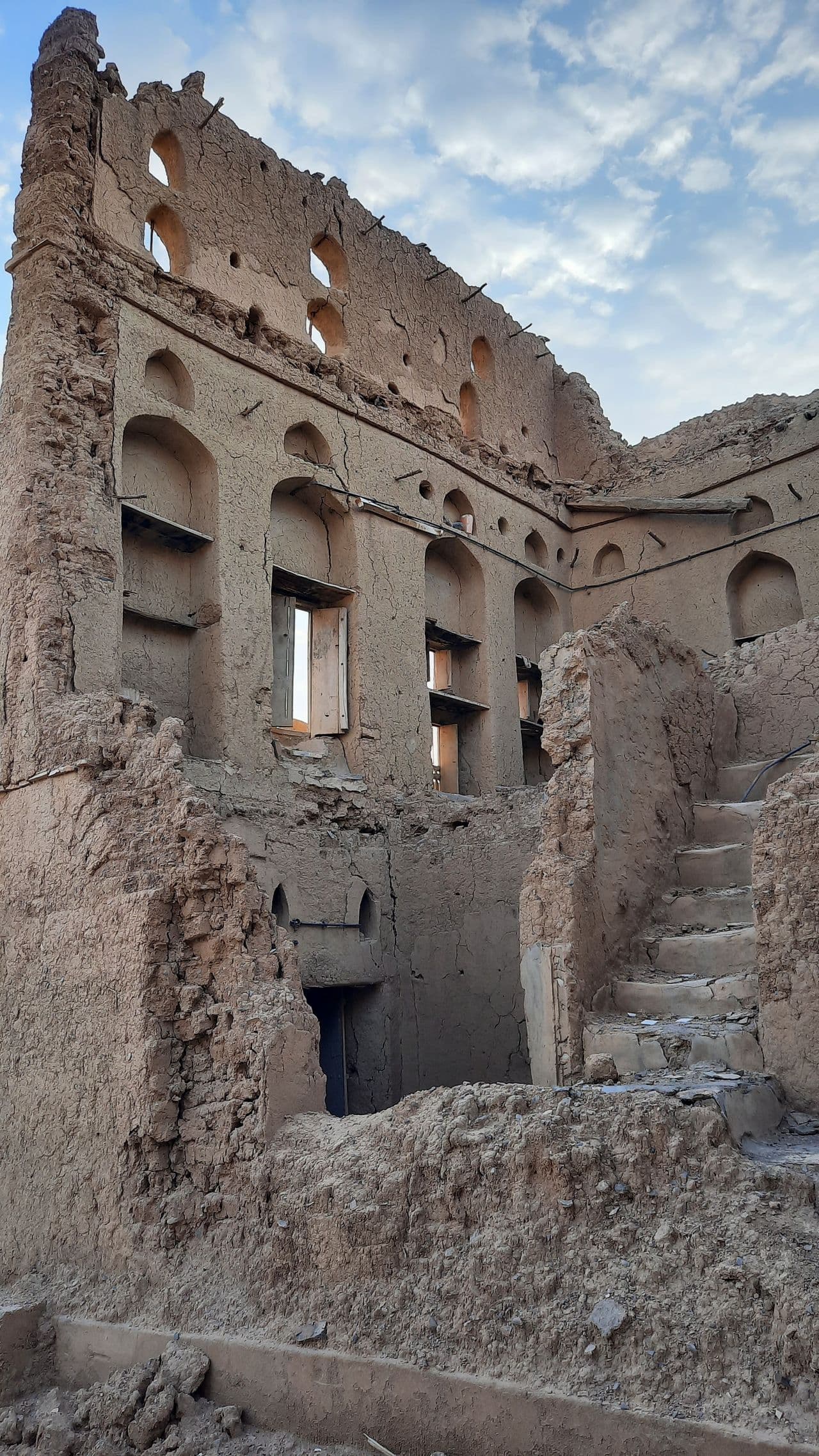
The heart of the site is the old village (Al Hamra Al Qadim), a cluster of three or four-storey adobe houses. The façades feature finely carved wooden windows and doors characteristic of Al Dakhiliyah regional architecture. Nearby, Bait Al Safah has been converted into a living museum showcasing traditional Omani domestic life.
History and Context
Al Hamra was founded centuries ago by the Al Abri tribe. The village thrived thanks to agriculture irrigated by aflaj, the underground channels listed on UNESCO's World Heritage sites. Twentieth-century rural exodus gradually emptied the adobe houses, leaving a remarkably intact ghost village. The new settlement developed just alongside, allowing the original buildings to survive intact across time.
Highlights of Your Visit
The Old Adobe Village
Wandering through the narrow alleyways of Al Hamra Al Qadim feels like stepping through centuries. The abandoned houses retain their full structures: palm wood beams, interior courtyards, wall niches. Late afternoon light reveals the texture of ochre earth with particular intensity.
Bait Al Safah
This restored traditional house hosts demonstrations of local craftsmanship: bread-making, weaving, rose oil preparation. It is one of the few places in Oman where these ancestral daily practices are still shown to the public in their original setting.
Views of Jebel Shams
Al Hamra is the usual starting point for reaching Jebel Shams, Oman's highest peak. From the village heights or the road climbing toward the plateau, the panorama of gorges and limestone cliffs is breathtaking.
Photography Tips
Golden late-afternoon light is ideal for photographing adobe façades: cast shadows highlight the relief of carved woodwork and walls. Avoid midday, when white light flattens textures. Always ask permission before photographing residents or the interior of Bait Al Safah.
Location and Access
Al Hamra lies approximately 35 km west of Nizwa, on the road leading to Jebel Shams. Most visitors arrive by car from Nizwa or Muscat. No regular public transport serves the village. The modern inhabited village sits immediately adjacent to the historic site.
Nearby Attractions
- Jebel Shams — Oman's rooftop and its spectacular gorges, accessible from Al Hamra by a track requiring a 4x4.
- Misfat Al Abriyyin — Mountain village perched a few kilometres away, renowned for its terraced gardens irrigated by aflaj.
- Nizwa — Former Omani capital with its iconic fort and souks for antiques and crafts.
- Bahla — UNESCO World Heritage fortified town, known for its pottery and vast fort.
Frequently asked questions
October to March offer pleasant temperatures. Summer (June-August) is very hot in this interior region of Oman and is not recommended for extended walks.
Covered clothing (shoulders and knees) is recommended out of respect for residents. Oman is a Muslim country and modest dress codes are appreciated, especially in villages.
Yes, this is the classic itinerary from Nizwa. Plan a full day: Al Hamra in the morning, Jebel Shams in the afternoon. A 4x4 is essential for the plateau track.
Walking through the old village alleyways is free. Bait Al Safah, the heritage house, may charge an entry fee; check on site.
No. No regular bus connects Al Hamra to major cities. Vehicle rental or an organised tour from Nizwa or Muscat is necessary.
Interested in this visit?
We can include it in your personalised itinerary.