Khor Rori (Sumhuram)
Khor Rori (Sumhuram) is an ancient port city and UNESCO World Heritage site east of Salalah. Millennia-old ruins, a flamingo-filled lagoon, and an archaeological museum make for a unique visit in Dhofar.
Khor Rori, also known by its ancient name Sumhuram, is an archaeological site inscribed on the UNESCO World Heritage list, located roughly twenty kilometres east of Salalah in the Dhofar region. An ancient frankincense port city, it overlooks a coastal lagoon where the Darbat River meets the Arabian Sea. The site combines the ruins of a South Arabian city, wildlife, and mangrove landscape—a rare combination in the Arabian Peninsula.
Essential Information at a Glance
- Access: Asphalt road from Salalah, signposted on the coastal route towards Mirbat.
- Suggested duration: 1.5 to 2 hours for the archaeological site and lagoon.
- Dress code: Modest attire recommended; no strict code, but shoulders and knees should be covered.
- Best time to visit: October to March for moderate temperatures; avoid monsoon peak (July–August) when tracks may be flooded.
What to See
The site comprises two complementary areas. The ruins of Sumhuram occupy a rocky promontory: a fortified wall, temple, warehouses, and limestone dwellings dating to around the 1st century BCE. Below, the khor (lagoon) is home to flamingos, herons, and sea turtles depending on the season. Traditional fishing boats still moor in the cove.
History and Context
Sumhuram was founded by the Hadramawt kingdom to control the trade in Dhofari frankincense, one of antiquity's most precious commodities. The city exported olibanum to South Arabia, Rome, and India via maritime routes. Inscriptions in ancient South Arabian script were found on site, confirming its role as an active trading post between the 1st century BCE and the 5th century CE. The site is part of the UNESCO property "Frankincense Land" inscribed in 2000.
Highlights of Your Visit
The Fortified City Ruins
The limestone walls are remarkably preserved for a site of this age. The main gate, temple foundations, and warehouses where frankincense was stored before shipment are clearly distinguishable. Explanatory panels in Arabic and English line the path.
The Lagoon and Wildlife
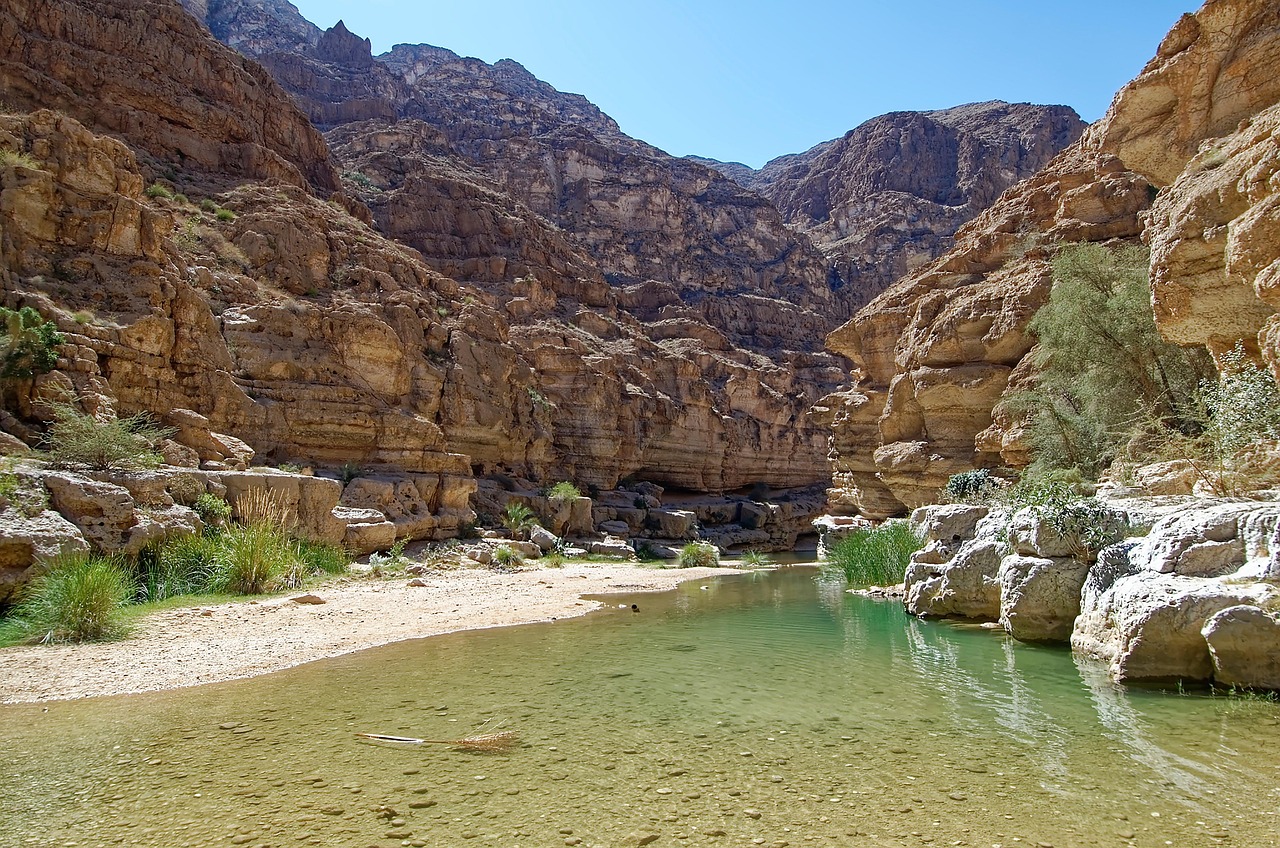
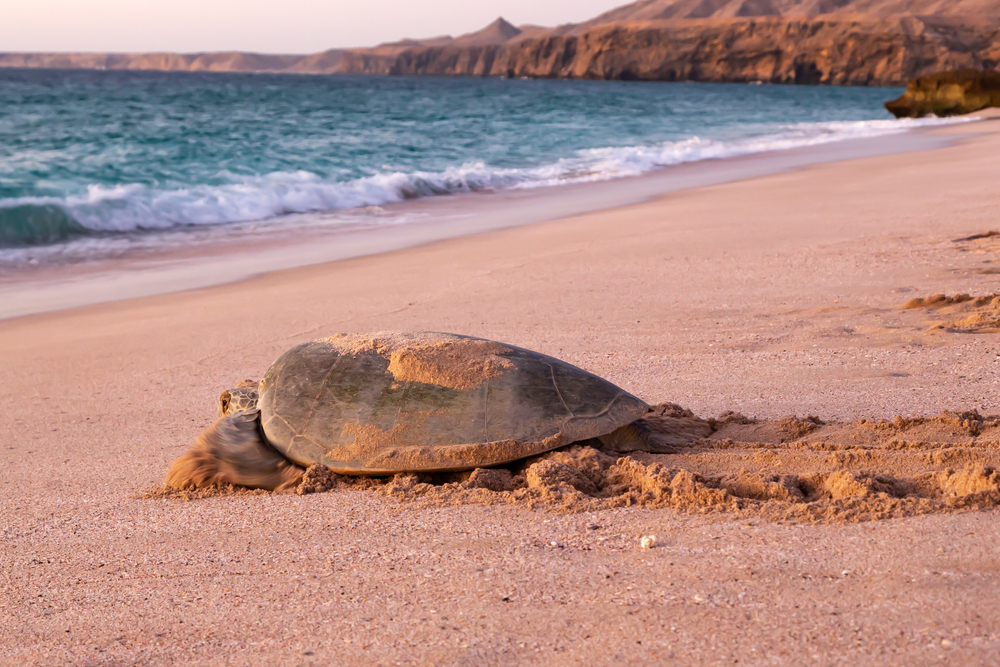
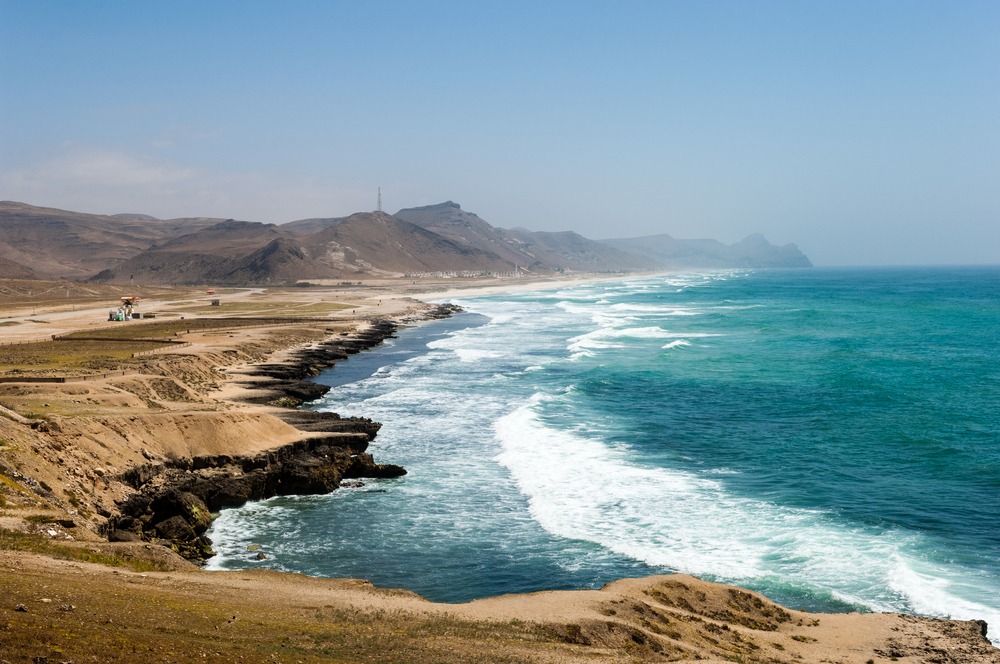
The khor is a protected ecosystem. Early morning, flamingos gather in numbers in the shallow waters. Green sea turtles frequent the estuary. Walking along the shore offers clear views of the lagoon and limestone cliffs in the background.
The Site Museum
A small adjacent museum displays artefacts uncovered during Italian-Omani excavations: ceramics, coins, stone inscriptions. It provides valuable context before exploring the ruins.
Photography Tips
Golden morning light is ideal for photographing the ruins without harsh shadows. From the promontory, the lagoon and Arabian Sea form a natural backdrop. For wildlife, a telephoto lens is useful: flamingos keep their distance. No known photography restrictions exist on the site.
Location and Access
Khor Rori lies approximately 40 km east of Salalah via the coastal road (Route 47). A rental car is the most convenient option from Salalah. The site is close to Wadi Darbat, whose river feeds the lagoon, making it possible to combine both visits in a single half-day. Wheelchair access to the ruins is limited due to rocky terrain.
Nearby Attractions
- Wadi Darbat — verdant gorge with waterfalls in monsoon season, a few kilometres north.
- Mirbat — historic coastal town with fort and old medina, roughly thirty kilometres east.
- Taqah — fishing village with restored fort, on the road between Salalah and Khor Rori.
- Wadi Dawkah — UNESCO-listed frankincense tree plantation, inland from Salalah.
Frequently asked questions
October to March, when temperatures are comfortable and tracks are passable. The monsoon (khareef, June–September) brings lush greenery but may make certain routes difficult to access.
Yes, the two sites are close to each other. Plan half a day for each, or a full day if you wish to take time observing the lagoon's wildlife.
No strict rule, but attire covering shoulders and knees is recommended out of respect for local customs.
No photography restrictions are posted at the archaeological site. The museum may have its own rules: check at the entrance.
There is no regular public transport to the site. A taxi from Salalah or a rental car remain the most practical options.
Interested in this visit?
We can include it in your personalised itinerary.