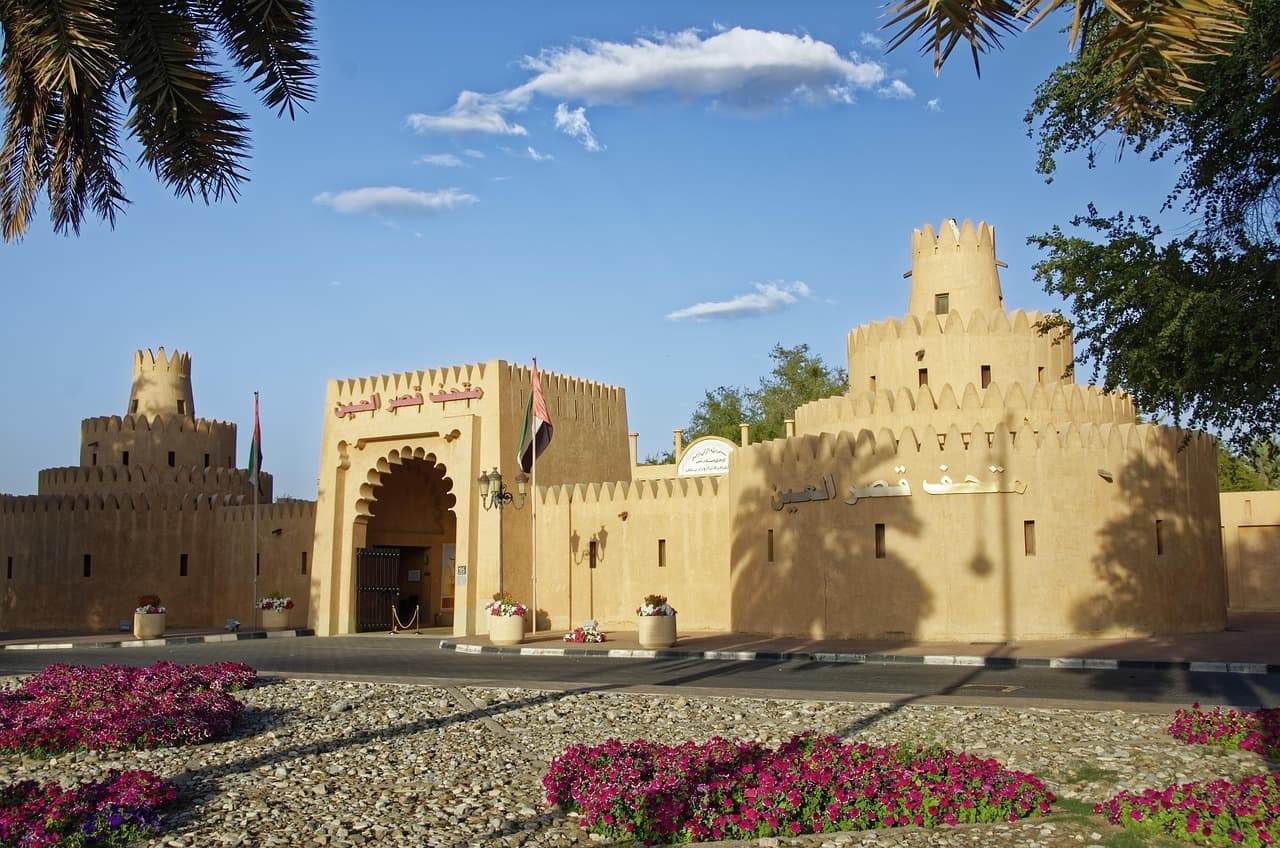
Bait Al Zubair Museum
Bait Al Zubair Museum
Set in a traditional house in old Muscat, Bait Al Zubair Museum showcases costumes, weapons, jewels, and everyday Omani objects from a private family collection.
Housed in a family residence in old Muscat, Bait Al Zubair Museum brings together private collections bequeathed by the Al Zubair family. Traditional costumes, weapons, jewels, carved doors, and everyday objects trace Omani life across several centuries. It is one of the rare museums in the capital offering an intimate glimpse into local culture, away from large institutional complexes.
Practical Information at a Glance
- Admission: Paid entry (verify current rates on-site or with your local English-speaking agency)
- Dress code: Modest attire required — shoulders and knees covered
- Suggested duration: 1 to 1.5 hours
- Access: Al Shati / Old Muscat district, reachable by taxi or rental car
What to See
The museum unfolds across several buildings and gardens. The galleries feature khandjars (the curved daggers emblematic of Oman), antique rifles inlaid with silver, gold and silver women's ornaments, and embroidered textiles worn during ceremonies. One section is dedicated to traditional Omani doors, true masterpieces of carved woodwork.
Other rooms display kitchenware, musical instruments, and objects linked to seafaring, echoing Oman's maritime heritage. The interior courtyard hosts replicas of vernacular architecture.
History and Context
The Al Zubair family built this collection over generations before opening the museum to the public. A private initiative is rare in the Gulf region: it reflects a determination to preserve tangible heritage threatened by rapid modernization following Oman's Renaissance in the 1970s.
The main building is a restored traditional house, characteristic of Muscat's civil architecture with its stone walls and shaded courtyards.
Highlights of Your Visit
The weapons and khanjar collection
The displayed khandjars illustrate Oman's different regions: each province boasts a distinct scabbard and blade style. Some pieces are inlaid with filigree silver and date back several centuries.
Women's costumes and jewels
Embroidered robes, headdresses, and solid silver ornaments reveal the richness of Omani dress traditions. Jewels vary by region and occasion — weddings, religious festivals, daily wear.
Carved doors
The collection of teak and local carved wood doors is among the capital's most comprehensive. Each door tells the story of the social status of the family that owned it.
The garden and architectural replicas
The outdoor space allows visitors to visualize traditional dwelling forms — watchtowers, mud-dried houses — in a verdant, peaceful setting at the heart of the city.
Etiquette and Visiting Rules
- Shoulders and knees must be covered for all visitors.
- Respectful conduct in interior spaces.
- Check photography restrictions room by room: certain collections may be protected.
Photography Tips
Natural light in the interior courtyards is best mid-morning. Carved doors and silver jewels photograph well in soft light. Avoid flash on antique textiles. Ask permission before photographing objects in closed display cases.
Location and Access
The museum sits in Muscat's historic quarter, near the Al Alam Palace and the Mirani and Jalali Forts. The area is accessible by taxi from central Muscat or Muttrah. Parking is available nearby. Accessibility for visitors with reduced mobility may be limited in parts of the historic building — inquire before your visit.
Nearby Attractions
- Muttrah Corniche — the waterfront promenade along the historic port, ideal in late afternoon.
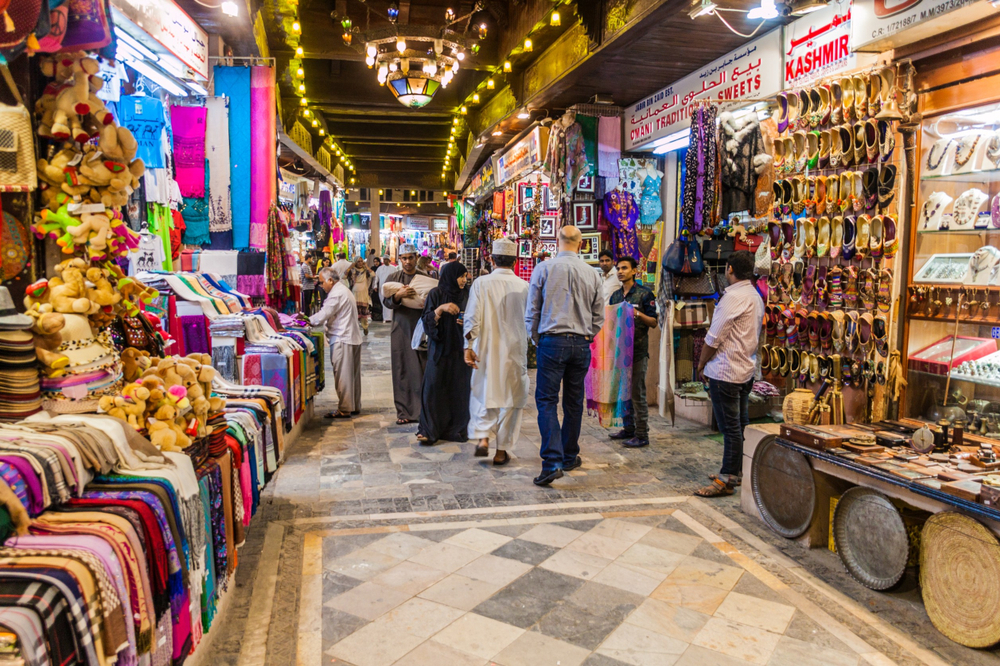
- Muttrah Souq — one of Oman's oldest covered markets, minutes away by car.
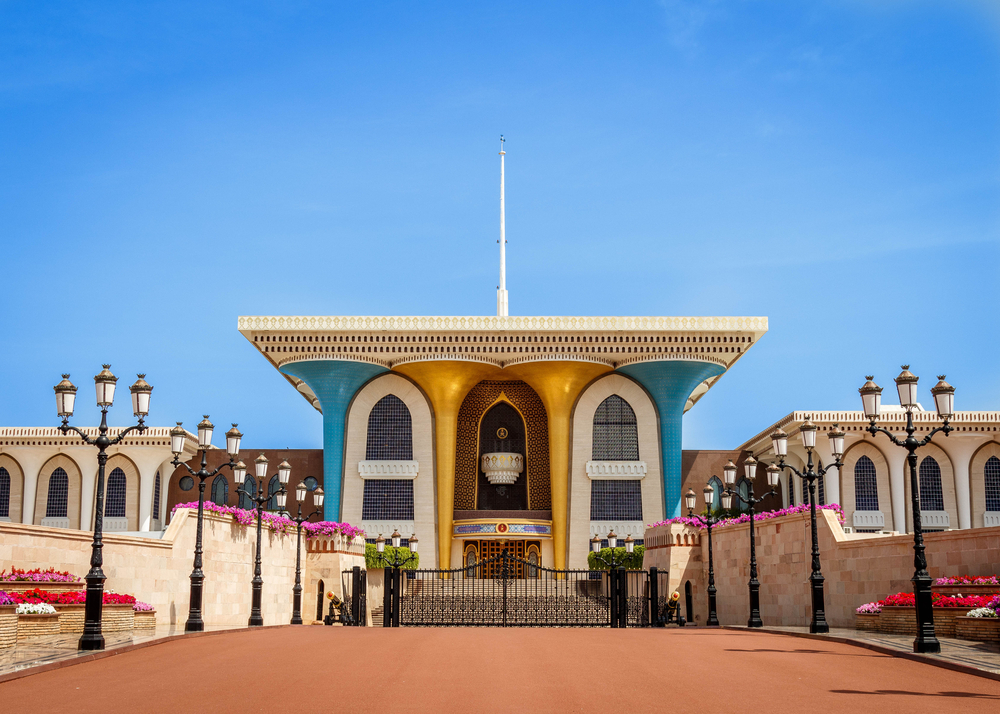
- Al Alam Palace — the Sultan's ceremonial residence, viewable from outside.
- Mirani and Jalali Forts — two 16th-century Portuguese fortresses overlooking Muscat's bay.
- National Museum of Oman — for a broader perspective on Omani history, in Muscat.
Nearby

Interested in this visit?
We can include it in your personalised itinerary.