Mutrah Souq
Mutrah Souq
Mutrah Souq is the historic covered market of Muscat, on the corniche of the port district. Frankincense, silver jewellery and traditional khanjar daggers sit side by side in an atmosphere of authentic commerce.
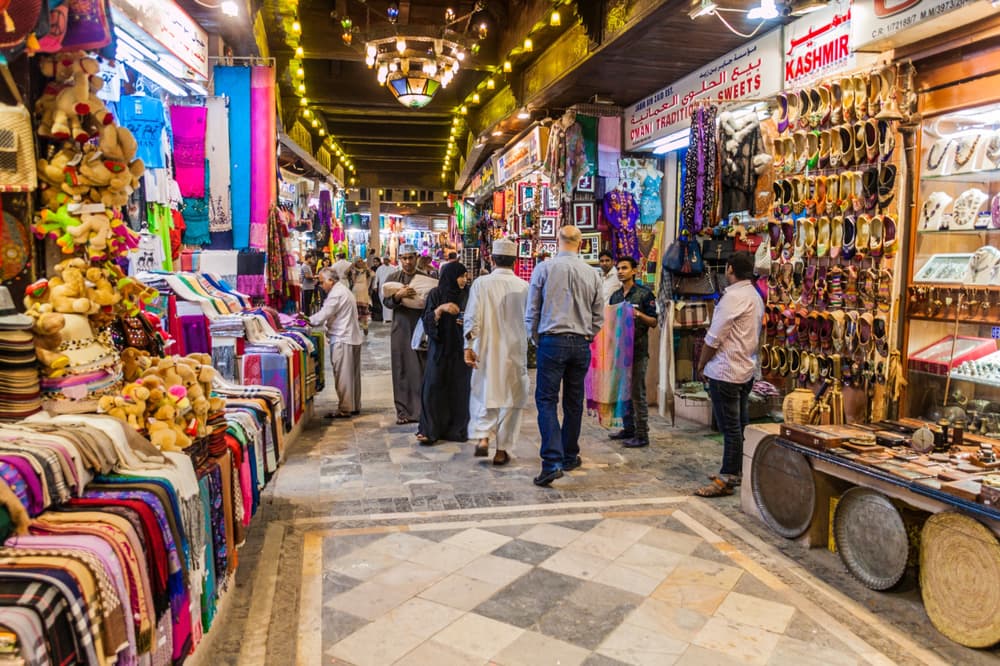
Mutrah Souq is Muscat's oldest covered market, nestled along the corniche of the Mutrah port district. Its maze-like alleyways concentrate frankincense, wrought silver, embroidered textiles and spices — a snapshot of Omani commercial life that has resisted museumification. This is where locals still buy their frankincense and khanjar, alongside passing travellers.
Practical Information at a Glance
- Admission: Free
- Recommended duration: 1.5 to 2 hours for leisurely browsing
- Dress code: Modest attire recommended (shoulders and knees covered)
- Closing times: Most shops close mid-afternoon (lunch break) and Friday mornings
- Access: Mutrah Corniche waterfront, reachable by taxi or bus from central Muscat
What to See
The souq is organised around a main covered gallery and a network of adjacent alleyways. Shops selling incense and aromatic resins — frankincense, myrrh, bakhour — sit alongside goldsmiths specialising in Bedouin silver jewellery. Textile merchants display pashmina shawls, embroidered dishdasha robes and Indian fabrics, reflecting Oman's historic ties with the subcontinent.
Khanjar, traditional Omani curved-blade daggers, are everywhere: some are authentic artisanal pieces, others souvenirs. Ceramics, rosewood boxes and local fragrances complete the offer.
History and Context
Mutrah is the historic heart of Muscat's maritime commerce. The port long served as an exchange point between Arabia, India, East Africa and Persia. The souq reflects this history: merchants of Indian, Baluch and Omani descent have coexisted here for generations. The architecture of the covered gallery, with its arches and wooden lattice screens, dates largely to the early 20th century, though the commercial site is far older.
Highlights of Your Visit
Incense Shops
Frankincense (luban) is cultivated in Dhofar, southern Oman. Vendors offer different grades of raw resin, as well as ceramic and metal burners. Smelling and comparing grades is an experience in itself.
Silverware and Khanjar
Several silversmiths still work the traditional way, hammering bracelets and necklaces in their small shops. Authentic khanjar, mounted on embroidered belts, are collector's pieces; prices vary considerably depending on the quality of the silver and craftsmanship.
The Central Gallery in the Evening
After 5 p.m., as the heat subsides, the souq reaches peak animation. The muted light of lanterns, wafts of incense and the hubbub of negotiation create a particularly dense atmosphere.
Etiquette and Visiting Rules
- Dress modestly: shoulders and knees covered for both men and women.
- Haggling is common for handicrafts, but remain courteous — a blunt refusal is poorly received.
- Always ask before photographing shopkeepers or customers.
- Avoid blocking narrow passageways with bulky luggage.
Photography Tips
Natural light filters through roof openings late in the morning, creating light beams above the spice stalls — ideal for atmospheric shots. In the evening, golden lanterns provide warm light for shop portraits. Avoid flash in confined spaces. Some shopkeepers refuse to be photographed: respect their choice.
Location and Access
Mutrah Souq is located on the Mutrah Corniche, approximately 4 km from Old Muscat (Muscat Al Qadim) and about fifteen kilometres from the modern Ruwi district. The main entrance opens directly onto the waterfront. Taxis are the most straightforward option from any part of Muscat. Public buses also serve the corniche. Parking is available along the waterfront. Wheelchair access to the main gallery is possible, but secondary alleyways are narrow and sometimes sloped.
Local guides offer guided tours of the souq and Mutrah district, often combined with the Mutrah Corniche and Fort Mutrah.
Nearby Attractions
- Mutrah Corniche — The promenade lining the port, ideal for watching traditional dhows and fishermen at sunrise.
- Fort Mutrah — Portuguese fortress overlooking the port, with panoramic views of the bay and souq.
- Old Muscat (Al Mirani & Al Jalali) — The two forts guarding the entrance to the historic port, a few kilometres to the east.
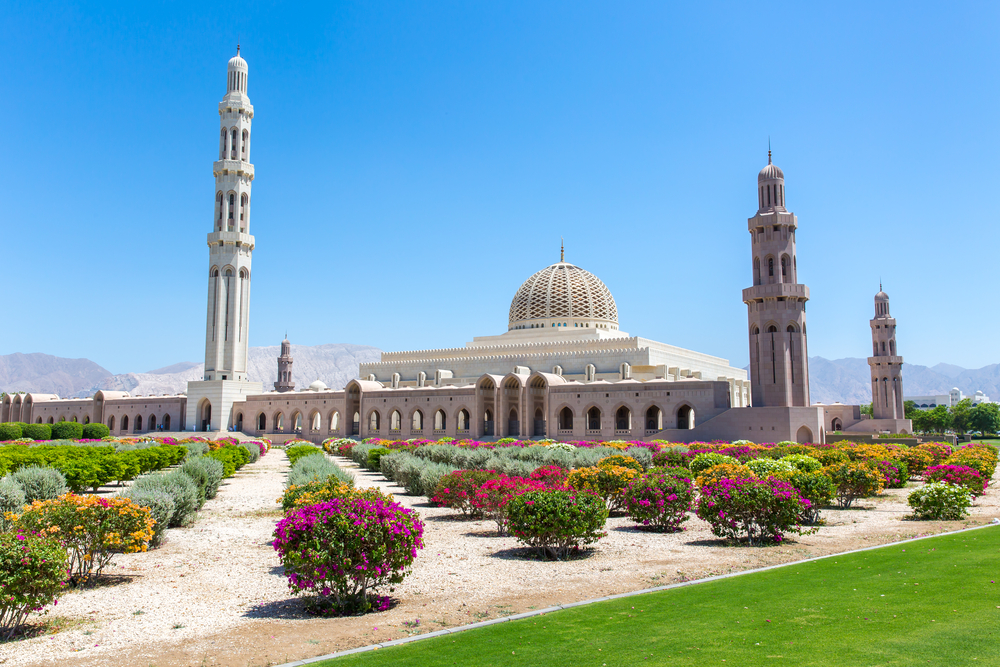
- Sultan Qaboos Grand Mosque — Muscat's architectural masterpiece, accessible by taxi from Mutrah.
Frequently asked questions
October to March offers pleasant temperatures for browsing. In summer, daytime heat is intense: opt for an evening visit, when the souq is also most lively.
Most shops close Friday mornings for prayers. Friday afternoon and evening, the souq reopens and is often bustling with Omani families.
Yes, haggling is customary for handicrafts, jewellery and souvenirs. It is less common for food items or fixed-price goods. Always remain respectful in your negotiations.
Budget 1.5 to 2 hours to explore the main gallery and secondary alleyways at leisure. Add time if you wish to haggle over purchases or have coffee at one of the small restaurants in the district.
Easily. Fort Mutrah and the Corniche are within walking distance. Old Muscat and Sultan Qaboos Grand Mosque require a taxi, but fit well into a full day exploring the capital.
Photographing stalls and architecture is generally accepted. However, always ask permission before photographing shopkeepers or customers, out of respect for local customs.
Nearby
Interested in this visit?
We can include it in your personalised itinerary.